
March 17, 2026: Safe Chain Solution executives jailed for selling secondhand HIV meds
Major Stories
A federal judge sentenced brothers Charles and Patrick Boyd to a combined 38 years in prison for running a nationwide scheme that sold counterfeit and diverted HIV medications to U.S. pharmacies. Through the drug-distribution company they owned, Safe Chain Solutions, the pair trafficked tens of thousands of bottles of secondhand and sometimes damaged drugs, endangering patients and corrupting the pharmaceutical supply chain.
Prosecutors said the brothers knowingly ignored safety complaints and falsified documentation to conceal the operation, which generated tens of millions in profits. The two were convicted in October 2025 on multiple fraud and drug-related charges after choosing to go to trial, while a co-defendant previously pleaded guilty.
Read documents from the prosecution here.

A DC pharmacy returned this bottle of HIV medicine to Safe Chain in June 2020 (USA v Brosius, et al).
Domestic
Fraudulent providers used unapproved medical devices; studies on unsafe compounded drugs; ongoing failures and enforcement challenges in drug importation; illicit pill presses found in multiple states.
The Food and Drug Administration (FDA) outlined new guidelines to help states demonstrate “significant” cost savings under the Section 804 Importation Program, which allows certain prescription drugs to be imported from Canada. The agency said proposals must include detailed, transparent economic models comparing projected costs with and without the program over at least two years. So far, Florida is the only state to gain federal approval to pilot a Canadian drug importation program. Despite committing tens of millions of dollars, it had yet to import any medicine as of February 2026.
An Eli Lilly study found a previously unidentified impurity in compounded versions of tirzepatide mixed with vitamin B12, raising potential safety concerns. The study reports that the impurity results from a chemical reaction between tirzepatide and certain B12 analogs and was detected across multiple U.S. samples. Although the clinical impact is unknown, the findings highlight quality risks associated with unapproved, mass-compounded drug combinations. The authors caution that the results have not yet been peer-reviewed and should not guide clinical decisions.
Telehealth company Hims & Hers abandoned plans to sell a cheaper, compounded version of Wegovy just days after announcing it, following a warning from the FDA about restricting access to key ingredients. The move came amid legal pressure from Novo Nordisk, which manufactures Wegovy and had threatened to sue. Hims had aimed to significantly undercut Wegovy’s price, but its unapproved copy of the drug had not undergone clinical testing for safety or effectiveness. The decision highlights growing regulatory scrutiny over compounded versions of high-demand weight-loss drugs.

"A Novel, Widespread Impurity in Mass-Compounded Tirzepatide/B12 Products" is available to read at MEDRXIV.
Two Pennsylvania brothers, Bhaskar and Arun Savani, were convicted of running a decades-long racketeering enterprise that generated tens of millions of dollars through visa fraud, healthcare fraud, and money laundering schemes. Prosecutors alleged that in addition to financial fraud, the brothers directly endangered patients by installing non-FDA-approved dental implants marked “Not for Human Use” in multiple individuals. These actions exposed patients to unknown medical risks, highlighting a severe breach of clinical standards and regulatory safeguards.
A Massachusetts man pleaded guilty to federal drug charges after attempting to mail more than two kilograms of methamphetamine pills hidden inside a children’s toy. Law enforcement found additional drugs and pill-making equipment at his home.
In a separate case, a South Carolina man was sentenced to 15 years in prison for his role in a drug trafficking conspiracy involving fentanyl-laced counterfeit pills. Authorities said he helped manufacture and distribute tens of thousands of pills using clandestine pill presses.
Regulators protecting patients in the news
The FDA announced two nationwide recalls after it found undeclared erectile dysfunction drugs in Primal Herbs Volume and “honey” products from Pure Vitamins and Natural Supplements, LLC. In both cases, the undisclosed ingredients pose serious safety risks, particularly for individuals taking nitrate medications, due to the potential for dangerously low blood pressure.
The FDA also issued warning letters to:
- Novo Nordisk for systemic failures in the company’s postmarketing safety monitoring, including delays and omissions in reporting serious adverse drug events for products like semaglutide and liraglutide. The agency noted that inadequate procedures and contractor oversight could compromise patient safety and required the company to submit a corrective action plan.
- A German facility following an inspection citing serious violations of current Good Manufacturing Practice (CGMP) for sterile drugs, including persistent contamination risks, inadequate cleaning and disinfection, and flawed aseptic processing controls.
- An Illinois facility after an inspection found violations including inadequate equipment design, persistent microbial contamination, insufficient batch testing, and incomplete or inaccurate laboratory records.
- Premium Health Management for marketing compounded semaglutide and tirzepatide products on its website with false or misleading claims, including suggesting the company compounded the drugs and implying FDA approval. These misrepresentations render the products misbranded under the Food Drug & Cosmetic Act.
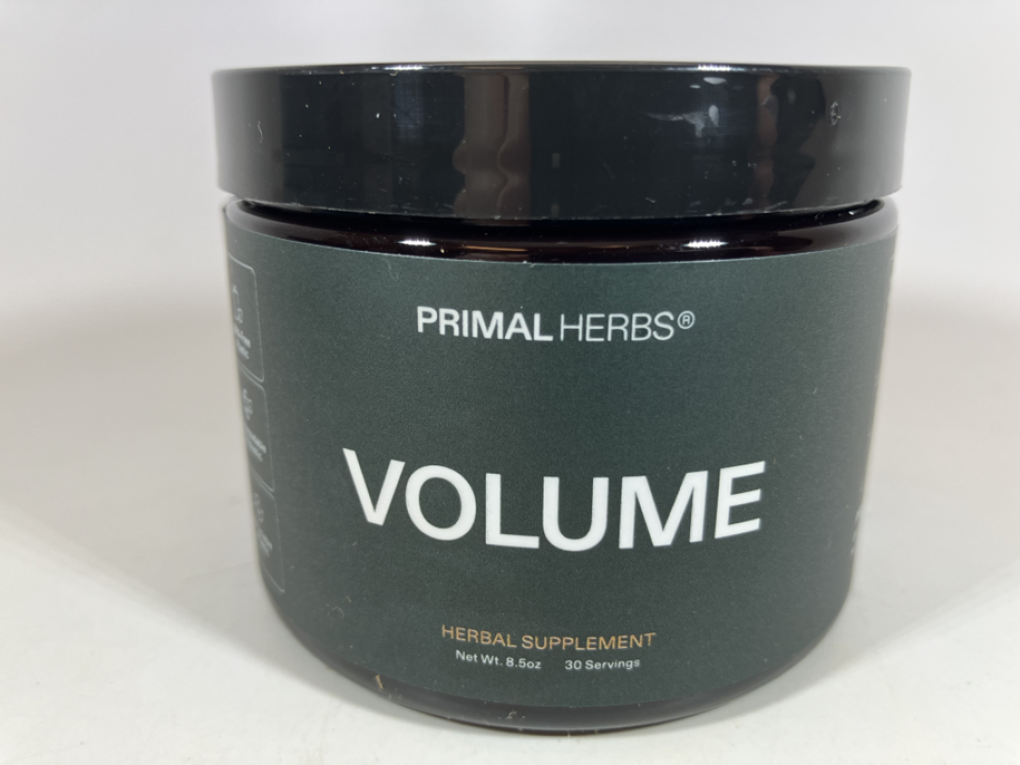
The FDA announced a recall of Primal Herbs Volume that contained undeclared sildenafil (FDA)
Legislation
Maryland HB1440, which would have prohibited certain insurers and managed care organizations from requiring prior authorization, step therapy, or other coverage restrictions for prescription drugs that had been reviewed by the Prescription Drug Affordability Board, was withdrawn by the sponsor. The senate version of the bill remains active.
Massachusetts H5087 would establish licensing, staffing, training, and regulatory requirements for medical spas in the state, including oversight of Level II and III medical aesthetic procedures and enforcement measures for unlicensed operations.
GLP-1 safety issues
In a March 9 Reddit post a user raised concerns about the authenticity of $35 Mounjaro injections their sister-in-law was receiving weekly in Mexico, accompanied by a photo of a vial with visible foam in it. The user noted that the spa was injecting multiple people from a single-use vial.
Respondents pointed out numerous red flags in this situation, including: the single-use vial being shared between patients, the unrealistically low price, and the fact that the vial was much more full than genuine 0.5 mL Eli Lilly vials.
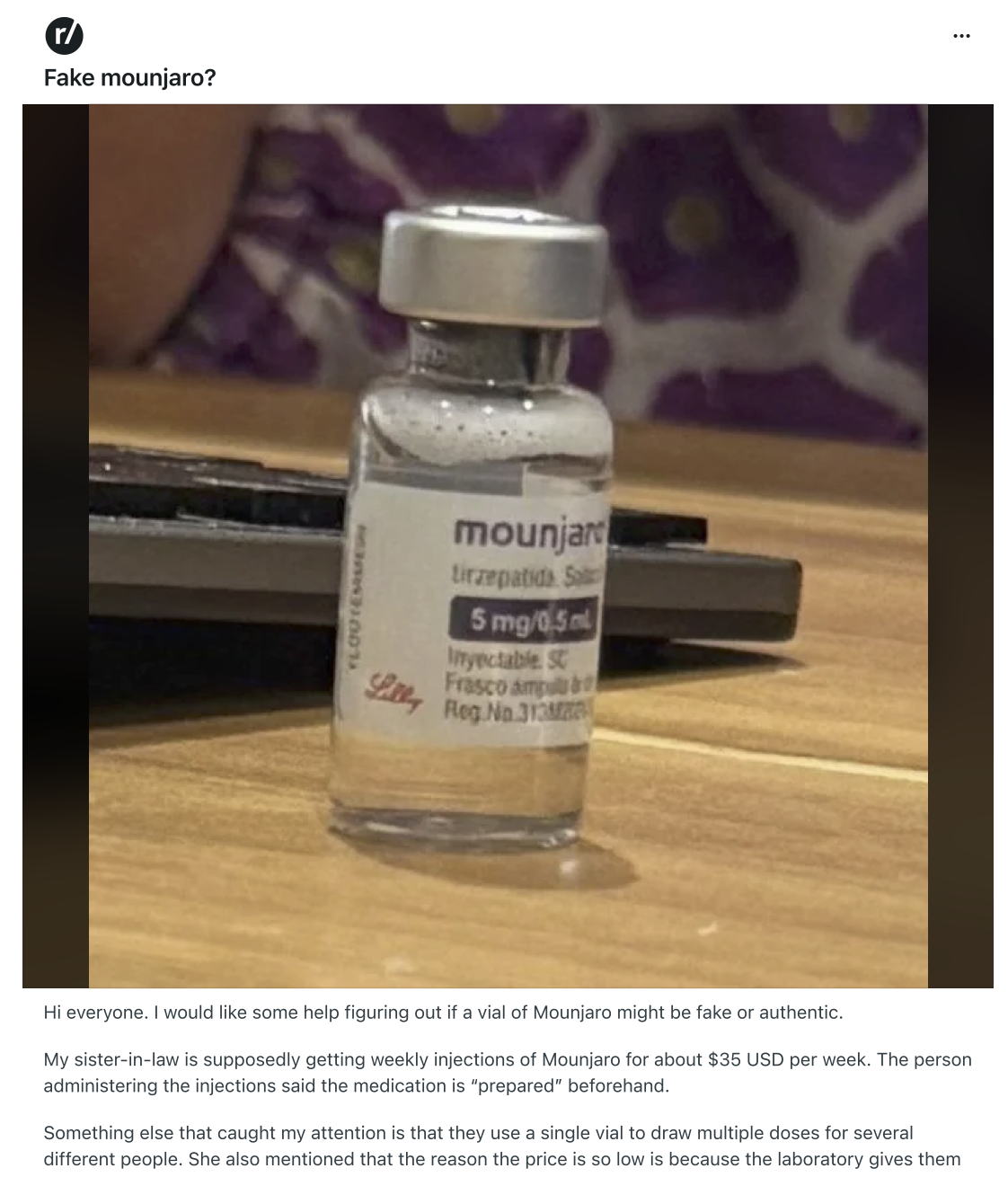
Reddit, March 2026.
International
Canadian law enforcement warned about counterfeit prescription pills; Fake Avastin found in Nigeria; regulatory reform in Mexico.
Royal Canadian Mounted Police in Winnipeg, Manitoba warned about the potential for fatal poisonings after they seized over 7,000 counterfeit prescription pills made with heroin and the potent animal sedative medetomidine. A 35-year-old man was arrested, and authorities warn the pills are being marketed as painkillers to exploit users, with naloxone unable to reverse the sedative’s effects.
NAFDAC warned that counterfeit versions of the cancer medicines Avastin and Tecentriq with falsified packaging and unverified contents are circulating in Nigeria, posing serious risks to patients.
Mexico’s COFEPRIS is implementing a regulatory modernization plan to streamline clinical trial approvals, enhance collaboration between academia, industry, and regulators, and combat the widespread threat of counterfeit medicines.
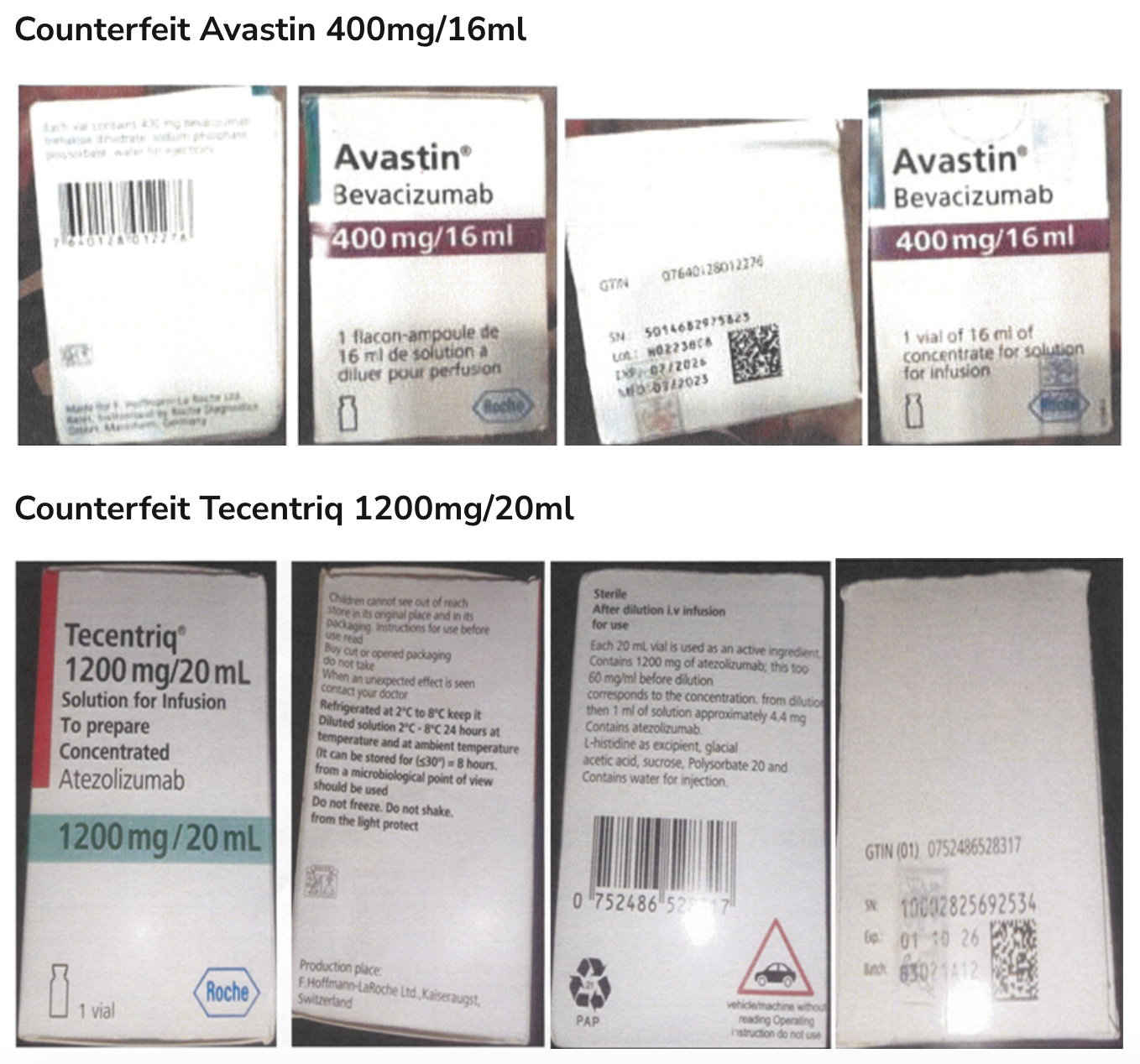
Nigeria's NAFDAC warned about the counterfeits in March 2026.