
April 6, 2026: Over 200 patients bought unapproved imported peptides from a now-indicted Utah physician
Major Stories
An indicted Utah physician allegedly sold misbranded drugs from China to patients. Cincinnati Customs and Border Patrol seized 5,000 unapproved, smuggled peptides. A peptide testing lab reports that a third of the thousands of products it analyzed failed basic quality checks.
A physician in Utah was indicted for allegedly obtaining, recommending, delivering, and selling non-FDA-approved peptides to his patients. The drugs, which were from China and obtained through a middleman, included tirzepatide, semaglutide, retatrutide, cagrilinitide, and NAD+. Court documents allege that the doctor made labels for the pill bottles and vials before handing them over to clinic staff. Over 200 patients were affected by this fraud.
U.S. Customs and Border Protection officers in Cincinnati identified over 300 cartons used to smuggle around 5,000 individual shipments of GLP-1s, including retatrutide, semaglutide, and tirzepatide. The shipments, which customs seized between December 2024 and March 2025, were mis-manifested as something else and contained smaller parcels with labels showing intended recipients.

Peptides labeled "for research use only." Photo: CBP
A peptide testing laboratory in Texas told The Guardian that around a third of the thousands of products it tests fail basic quality tests, a figure that has stayed relatively consistent over the past 12 to 14 months. A peptide that is not what it is labeled as, does not meet purity standards, or is more or less than the stated dose, is typically the reason for testing failure.
Domestic
Two social media companies were found liable for harms to children, a physician selling adulterated CPAP machines was sentenced, and two Georgia men pleaded guilty to running a fentanyl trafficking ring from prison.
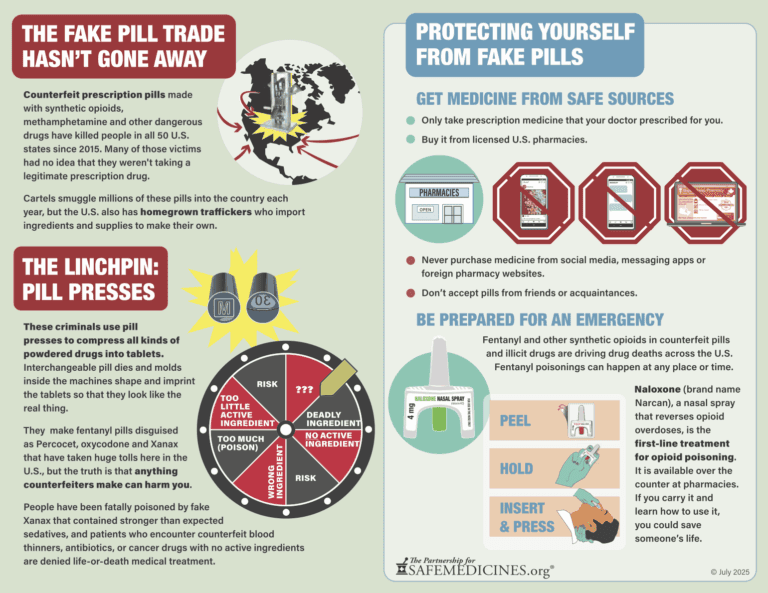
Read our handout: The fake pill trade hasn't gone away.
A California jury found both YouTube and Meta liable for harming children by designing their platforms to hook young users. Snap Inc, the parent company of Snapchat, and TikTok both settled cases before the Los Angeles trials began. This follows a New Mexico verdict from March that Meta knowingly harmed children’s mental health and concealed what it knew about child sexual exploitation on its platforms.
Dr. Eric Edward Haeger, a Washington State physician who sold used, recalled, and adulterated CPAP machines to Medicaid patients, was sentenced to one year and one day in federal prison, followed by a one-year term of supervised release, a $60,000 fine, and $349,272.79 in restitution. Between July 2021 and July 2023, Haeger bought CPAP machines that had been recalled because of unsafe foam used in their construction and removed and replaced the foam in an unsterile environment.
Georgia residents Devito Duran Young and Trace Davrin Works pleaded guilty to running a fentanyl trafficking operation that imported drugs from China, with one defendant orchestrating the network from inside prison. The scheme distributed thousands of fentanyl pills and synthetic cannabinoids, with payments made via cryptocurrency and shipments routed through U.S. addresses. Several additional co-conspirators, including alleged suppliers in China, have been charged, and the defendants now face potential life sentences for their roles in the operation.
Regulators protecting patients in the news
The FDA announced Aphreseller’s (Buy-herbal.com) voluntary recall of all lots of Kian Pee Wan capsules, which contain the undeclared drug ingredients dexamethasone and cyproheptadine. Dexamethasone, a corticosteroid commonly used to treat inflammatory conditions, can impair a person’s ability to fight infections and can cause high blood sugar levels, muscle injuries, psychiatric problems, and suppression of the adrenal gland. Cyproheptadine is a prescription antihistamine used for seasonal allergy treatment that may cause sedation, dizziness, fatigue, restlessness, dry mouth, nausea, diarrhea/constipation, urinary retention, and blurred vision.
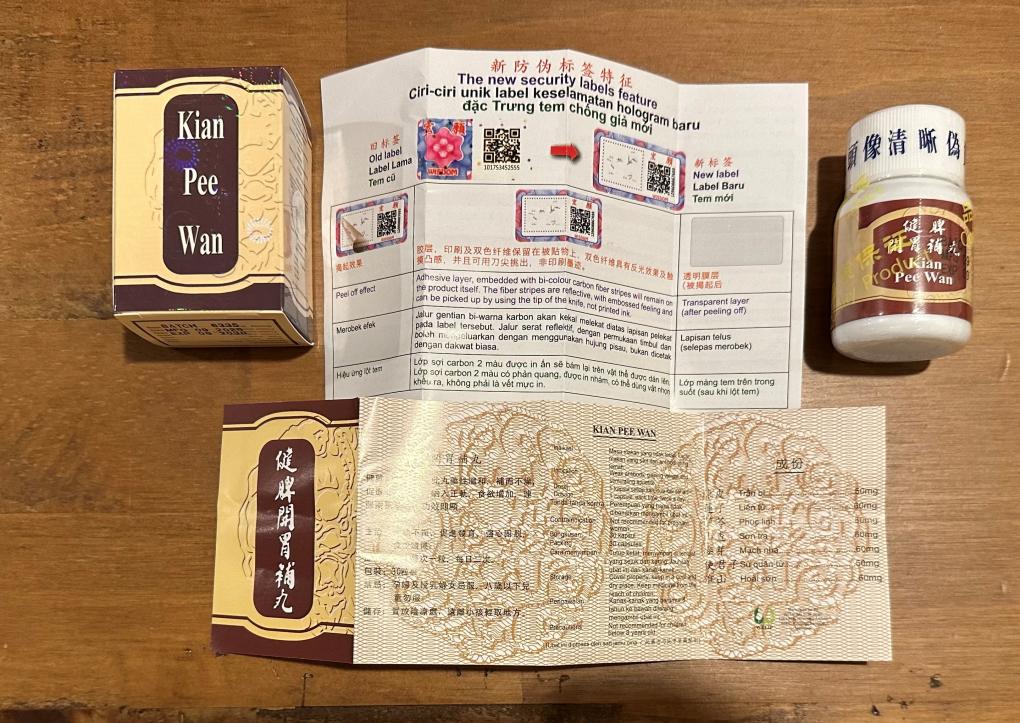
Recalled Kian Pee Wan packaging (Photo: FDA)
Medtronic MiniMed, Inc. also issued a voluntary recall of all its infusion pumps because of unintended over- and under-delivery of insulin based on the pump’s position. When the pump is above the infusion site, insulin over-delivery can occur, which can cause hypoglycemia, altered mental status, seizure, coma, or death. When the pump is below the infusion site, insulin under-delivery can occur, which can cause hyperglycemia, dehydration, diabetic ketoacidosis, or death.
The FDA issued a warning letter to an Illinois contract testing laboratory for Current Good Manufacturing Practice violations, including failing to conduct appropriate testing for each batch of drugs to be free from objectionable microorganisms.
Legislation
Colorado SB140 exempts rare disease drugs and biologics from being considered in the state's Prescription Drug Affordability Board’s drug reviews.
Keep up with state legislation in the areas of pill presses, prescription drug affordability boards, drug importation, and med spas.
International
Gym trainers in Saudi Arabia were arrested for selling unregistered peptides. Hong Kong and Nigerian authorities seized counterfeit products.
Saudi Arabia’s Ministry of Health detained multiple gym trainers for promoting and selling unregistered peptides and hormonal drugs. Monitoring of social media by the Saudi Food and Drug Authority led investigators to a warehouse storing the drugs, which included retatrutide. Officials say that the drugs were stored improperly, leading to concerns about their quality, and urged the public to only obtain drugs through the legitimate supply chain.
Hong Kong Customs arrested three men and seized about 450 units of suspected counterfeit Chinese medicines and around 9,900 tablets of suspected controlled medicines in the last week.
Nigeria's NAFDAC warned the public about counterfeit Otrivin Nasal Drops circulating in the country. Both the children's and adult versions are affected.