
April 20, 2026: Maryland becomes the second state to set a drug price cap
Major Stories
Maryland is set to put a cap on the price of Jardiance in January 2027. A family in Texas is suing Empower after the death of a woman taking their compounded semaglutide.
In their April meeting, Maryland’s Prescription Drug Affordability Board (PDAB) passed a motion to set an upper payment limit (UPL) for Jardiance, a diabetes treatment. By January 2027, they plan to cap the price at $204, or $6.80 a pill for a 30-day supply, a figure based on the Medicare maximum fair price. Maryland is the second state to deem a drug unaffordable and set a UPL.
The PDAB also considered Farxiga for a UPL in their affordability reviews, but decided against the move due to the FDA’s approval of its first generic, just days before the Board’s meeting. This highlights one prevalent criticism of PDABs, the slow-moving nature of their processes, a sentiment that Maryland PDAB Chair Van Mitchell echoed in their November meeting. Other criticisms come from pharmacies and patient advocacy groups, which center on medicine access.
The family of a Texas woman is suing Empower Clinical Services. According to King 5, the lawsuit says that Shawna Stash purchased compounded semaglutide from Empower in January 2024, and was healthy until she took a larger dose of the medication, as prescribed. She died after 29 days in the ICU.

Domestic
FDA scientists in laboratories across the U.S. are being highlighted for their ability to intercept dangerous, illegal drugs. Texas women are suing a distributor after alleging sutures they received during cosmetic procedures caused permanent scarring. Two New York men were arrested for allegedly operating an industrial pill press.
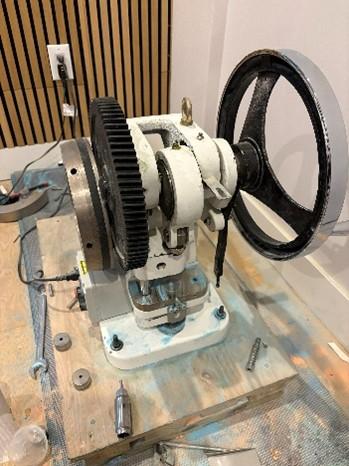
Pill press seized in Brooklyn. Photo: DEA
FDA scientists in satellite laboratories are getting some much-deserved recognition. A new article on the agency’s page gives insight into how these scientists at major mail facilities across the U.S. detect and intercept dangerous, counterfeit, and illegal drugs before they reach consumers. Using advanced chemical analysis, scientists have blocked millions of harmful drug units, including powerful synthetic opioids and novel compounds designed to evade detection. The program continues to expand, with new labs in locations such as Honolulu, strengthening efforts to monitor imports from the Pacific region.
Four women in Texas filed a product liability lawsuit alleging they were injured by a suturing device called the Miracu PDO Mono Thread, which was marketed for cosmetic facial procedures without proper FDA clearance. After undergoing treatments at a Dallas med spa, all four women developed severe, antibiotic-resistant infections that required extensive medical care and caused permanent facial scarring. The plaintiffs claim the product was defective, contaminated, and unlawfully marketed for off-label use by the manufacturers and distributors.
Two men were arrested in New York for allegedly operating a large-scale fentanyl manufacturing and packaging operation inside a Brooklyn apartment. The Drug Enforcement Agency (DEA) called the apartment a “pill mill” and said the industrial pill press found in the apartment was capable of producing 4,800 pills per hour.
PSM in the News
A story in the Columbus Dispatch highlights the Ohio Board of Pharmacy's work to suspend drug distributor licenses when unsafe practices were discovered in med spas. The piece cites PSM's coverage of the 2025 botulism outbreak tied to Botox injections from an aesthetician in Massachusetts.
Regulators protecting patients in the news
Liquid Blenz Corp has recalled all sizes of its Good Brain Tonic due to potential contamination with botulism, a rare but potentially fatal form of food poisoning.
The FDA issued a warning letter to Pure Indulgence Aesthetics for violating the Drug Supply Chain Security Act (DSCSA), which is designed to track prescription drugs and prevent counterfeit, contaminated, or unsafe products from reaching patients. According to the form 483, investigators found major discrepancies in Botox purchasing versus usage and uncovered unlabeled vials lacking required product identifiers. The agency’s enforcement demonstrates how DSCSA safeguards help detect suspicious activity and hold bad actors accountable.
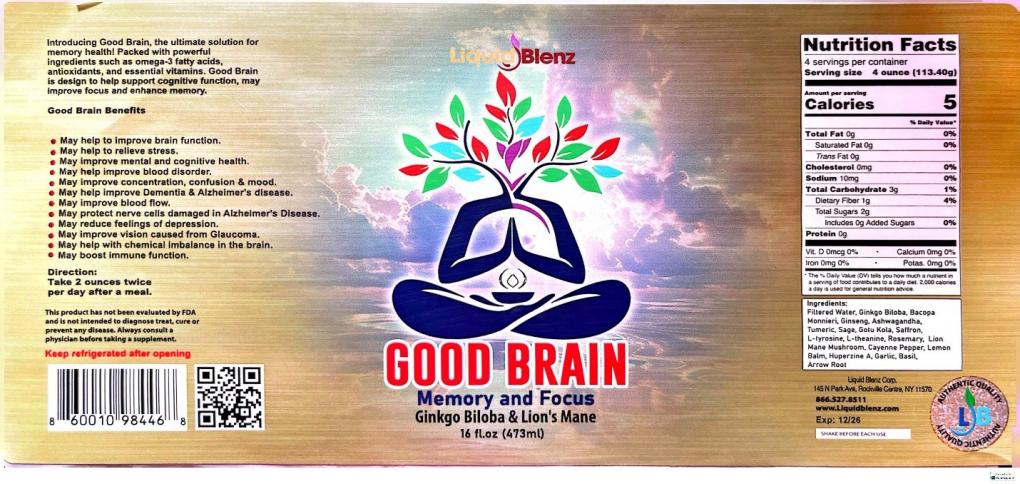
Photo of recalled Good Brain Tonic packaging. (Photo: FDA)
The FDA warned Purolea Cosmetics Lab for manufacturing drug products under unsanitary conditions, failing to follow required quality and safety standards, and producing unapproved drugs marketed to treat serious conditions like shingles and herpes. The agency also cited the company for inadequate testing, poor quality controls, and overreliance on AI without proper human oversight.
The FDA cited Chemco Corporation for serious manufacturing violations, including poor equipment cleaning, inadequate testing of drug ingredients, and weak quality oversight, resulting in adulterated products.
The FDA warned Beauty of Aztlan LLC for illegally selling unapproved and misbranded injectable botulinum toxin products online, including items marketed for medical conditions without proper approval or prescriptions.
The FDA issued warning letters to multiple online pharmacies, Online Rx Medz, Rxgoodusa, and Dry Springs Pharmacy, for illegally selling unapproved and misbranded controlled substances, such as opioids, benzodiazepines, and stimulants, without prescriptions, posing significant risks of abuse, overdose, and death.
Legislation
Colorado’s weight loss compounding bill, which would treat certain misleading claims as deceptive trade practices under the Colorado Consumer Protection Act, passed the Senate and was introduced in the House.
Keep up with state legislation in the areas of pill presses, prescription drug affordability boards, drug importation, and med spas.
GLP-1 patient safety issues
A 32-year-old man was hospitalized after using retatrutide, an unapproved weight-loss drug purchased online, leading to severe, uncontrolled diarrhea, dehydration, and early kidney injury after he “overdosed” on the medication. Doctors ruled out infection and treated him with fluids and supportive care. He recovered, but clinicians warned that unregulated GLP-1–type drugs sold online can cause dangerous, potentially life-threatening side effects.
International
An investigation revealed counterfeit cancer drugs in Mexico’s health system. Indian authorities seized fake Mounjaro injections. UK authorities warned about fake online pharmacies selling counterfeit weight loss drugs.
A cancer patient in Yucatán, Mexico, Francisco Chávez, discovered he had been given counterfeit doses of the cancer drug Keytruda after experiencing severe side effects. He reported the issue to authorities and the manufacturer, Merck, which confirmed the medication was fake. His case triggered an international investigation that revealed counterfeit cancer drugs circulating in Mexico’s health system, including in public hospitals, exposing patients to unknown and potentially dangerous substances.
Indian authorities recently seized ₹56 lakh of counterfeit Mounjaro injections and arrested two people. Eli Lilly, which manufactures legitimate Mounjaro products, said it will be assisting in the investigation and hopes to support regulatory action in the country.
Royal Canadian Mounted Police uncovered a drug laboratory in Chilliwack, seizing 39 kilograms of fentanyl and fentanyl analogues, 5,000 kilograms of precursor chemicals used to make controlled substances, MDMA, methamphetamine, and a pill press.
Researchers in the UK have found that cyber-criminals are increasingly cloning legitimate online pharmacy websites and social media accounts to sell counterfeit weight-loss medications, often copying official regulator logos to appear trustworthy. The National Pharmacy Association, which published the report, suggested the government consider allowing pharmacies to use a specific domain name, such as pharmacy.uk, to help patients identify regulated providers.
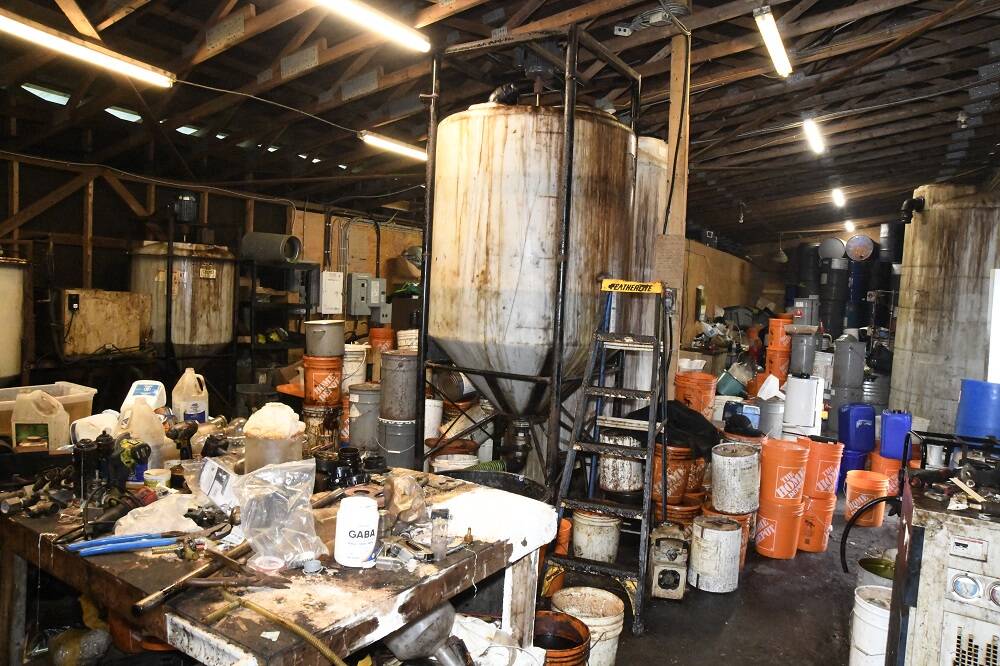
Canadian drug laboratory (Photo: Chilliwack RCMP.)
Police in Vietnam dismantled a counterfeit medicine ring that produced and sold fake traditional drugs mixed with paracetamol, arresting three suspects involved in the operation. Authorities seized large quantities of finished products and packaging materials and found that the group had been illegally manufacturing and distributing mislabeled medicines since 2021, according to Vietnam Today.