
December 15, 2025: A Massachusetts man will plead to giving botulism-causing injections, says the U.S. Attorney's Office
Major Stories
A med spa owner admitted to using unapproved injectables that sickened at least 10 patients. New York authorities announced the results of a 2024 crackdown on illegal med spas. PSM published in The Journal of Illicit Trade, Financial Crime, and Compliance.
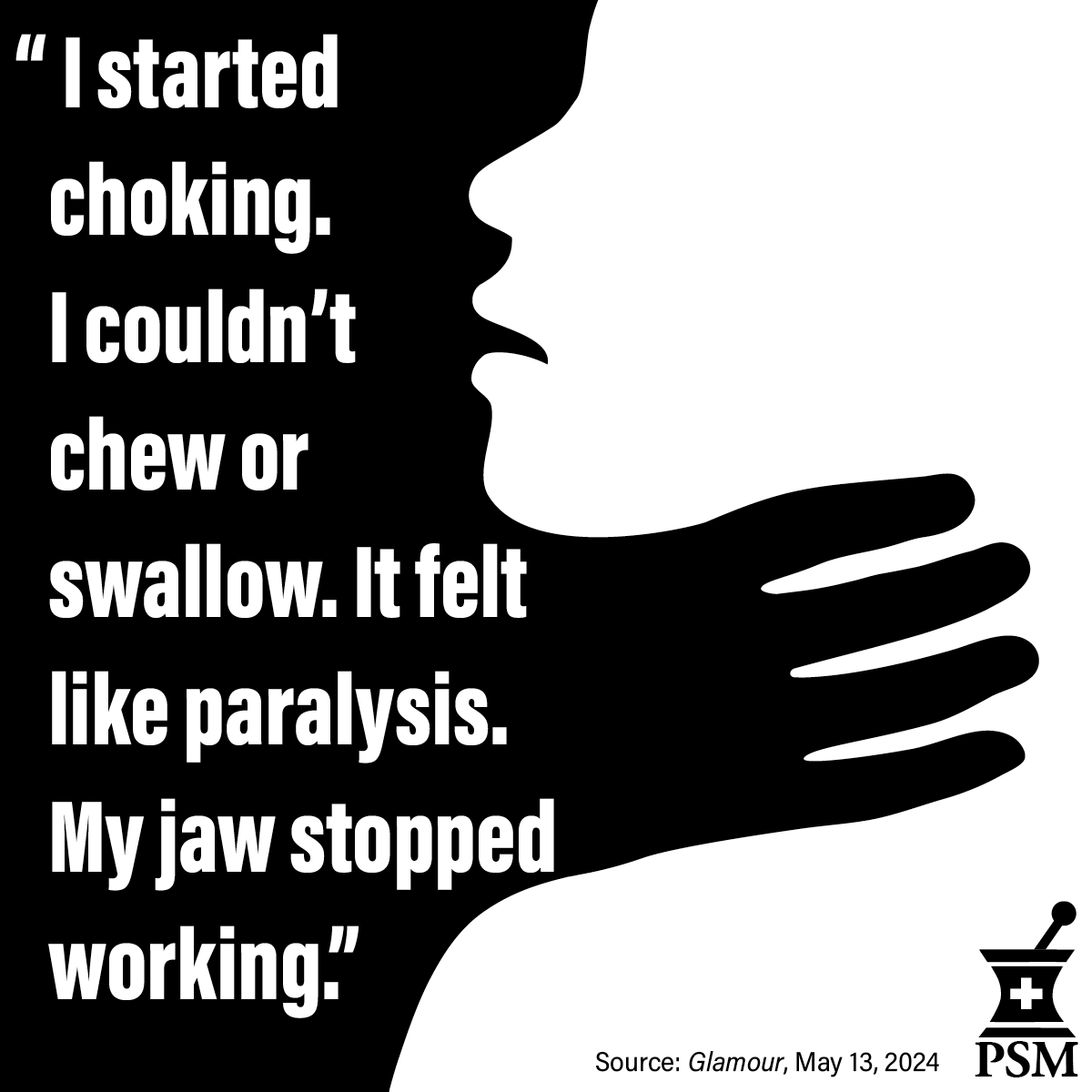
A May 2024 interview in Glamour recounted the dangerous symptoms a woman endured when she got botulism from an injection at an unlicensed med spa.
Rodrigo de Medeiros Siqueira, the owner of Rodrigo Beauty in Milton, Massachusetts, has agreed to plead guilty to misbranding a drug with the intent to defraud or mislead after he injected clients with unapproved botulinum toxin rather than legitimate Botox. The December 2025 information filed in the case lists three patients who sought hospital treatment after receiving injections at the med spa; in June, the Massachusetts Department of Public Health reported ten botulism cases associated with the spa. Medeiros Siqueira was not licensed to prescribe, dispense, or administer prescription drugs or perform injections.
The U.S. Food and Drug Administration is asking people who received illegal injections and/or unapproved drugs or devices from Medeiros Siqueira or Rodrigo Beauty to connect with its victim-witness assistance program by completing this questionnaire.
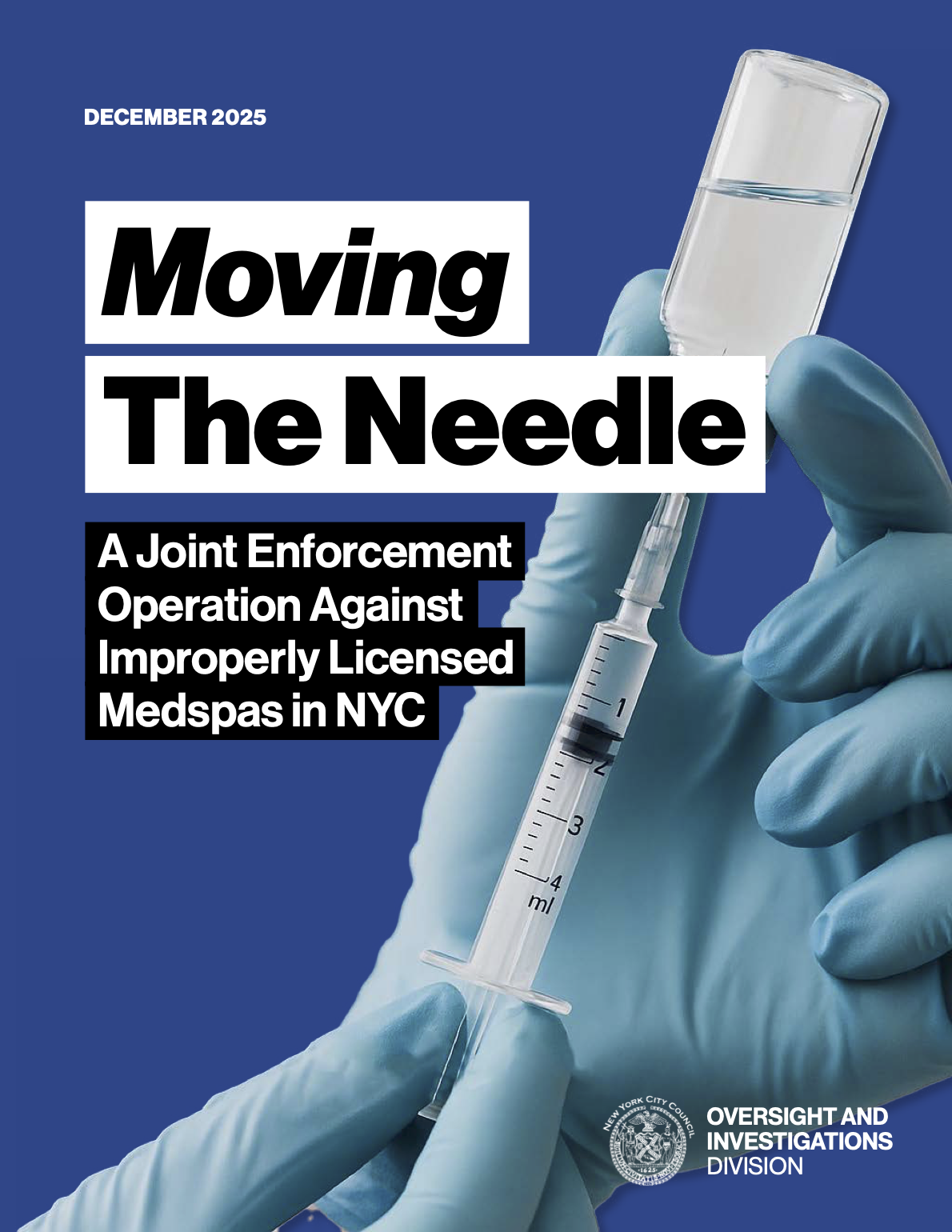
Read Moving the Needle.
The New York City Council’s Oversight and Investigations Division (OID) released Moving the Needle, which reports on OID’s coordinated effort with state agencies to investigate 15 New York City medical spas operating in violation of state law. Inspectors discovered a lack of proper licensing and oversight, missing liability insurance, unhygienic conditions and tools, and unlabeled products. The operation, which took place between June and September 2024, led to disciplinary actions against all 15 businesses, with four losing their licenses so far.
The Journal of Illicit Trade, Financial Crime, and Compliance published a PSM-authored article about the use of trademark law to shut down black market HIV medicine trafficking. Read Leveraging the Lanham Act for anti-counterfeiting: A case study of Gilead Sciences’ successful civil-to-criminal enforcement strategy in the U.S. pharmaceutical market.
Domestic News
An entrepreneur who allegedly sold unapproved cosmetic treatments is facing 34 counts in Virginia federal court. A new bill would improve the safety of compounded medicines.
Bryce Cleveland, the President and CEO of Arizona-based Scalpa, Inc., was apprehended in Colombia, arrested in Florida, and charged in Virginia with 34 counts for alleged fraud and the alleged sale of non-FDA-approved cosmetic medical devices and an unapproved new drug between 2018 and 2020.
Nazzarie Acoy Carmouche-Heath, 29, of Battle Creek, Michigan, received a 10-year prison sentence for fentanyl possession and distribution after a March 2025 search of his residence yielded 4,700 M30 pills, a kilogram of fentanyl, firearms, cash, and a basement fentanyl pill operation with a pill press and other supplies and equipment.

What if we could stop the counterfeit pill crisis by stopping the machines that make them?
Regulators protecting patients in the news
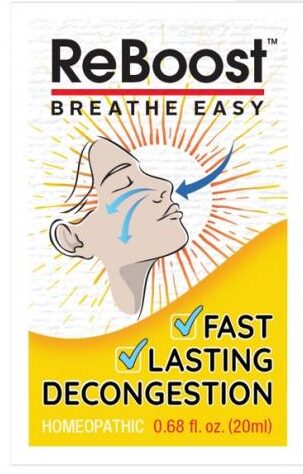

The FDA shared a recall of a lot of ReBoost Nasal Spray, a homeopathic product meant to relieve congestion, that contained yeast/mold and Achromobacter bacteria. MediNatura New Mexico, which makes the product, reported that it could cause life-threatening infections in immunocompromised people.
The agency also sent a letter to a company in Georgia that was selling an amniotic membrane patch without verifying sterility, to companies in New Jersey and Florida selling unapproved versions of amniotic or human placental products.
Companies making hand sanitizer and cleansers in Wisconsin and California received warnings for using unsuitable water and failing to adequately test components for methanol or the industrial solvents diethylene glycol (DEG) and ethylene glycol (EG).
The FDA warned a sixth company, New York-based Seaway Pharma, for selling oral medicines, including cough and cold syrups for infants and children, without testing ingredients for DEG and EG. Cough and cold syrups that contained these adulterants killed at least 300 Uzbek, Gambian, and Indonesian children in 2022.
Legislation
Congressmen Rudy Yakym and André Carson introduced the Safeguarding Americans from Fraudulent and Experimental (SAFE) Drugs Act, which would protect the American drug supply from unsafely compounded medicine. Read PSM’s letter supporting the bill.
Representatives Gabe Evans, Debbie Dingell, Eugene Vindman, and Craig Goldman introduced the No Fentanyl on Social Media Act, which would require the Federal Trade Commission to report to Congress on how minors access fentanyl through social media, with recommendations to eliminate that access.
Florida’s legislature is considering House Bill 697, which would set upper payment limits on prescribed drugs & products based on international drug price data, and Senate Bill 860, which would require anyone selling, transferring, or distributing compounded weight loss medicines to document that the API is pharmaceutical grade and was manufactured in an FDA-registered facility that has been inspected within the prior two years.
Patient safety issues in the GLP-1 space
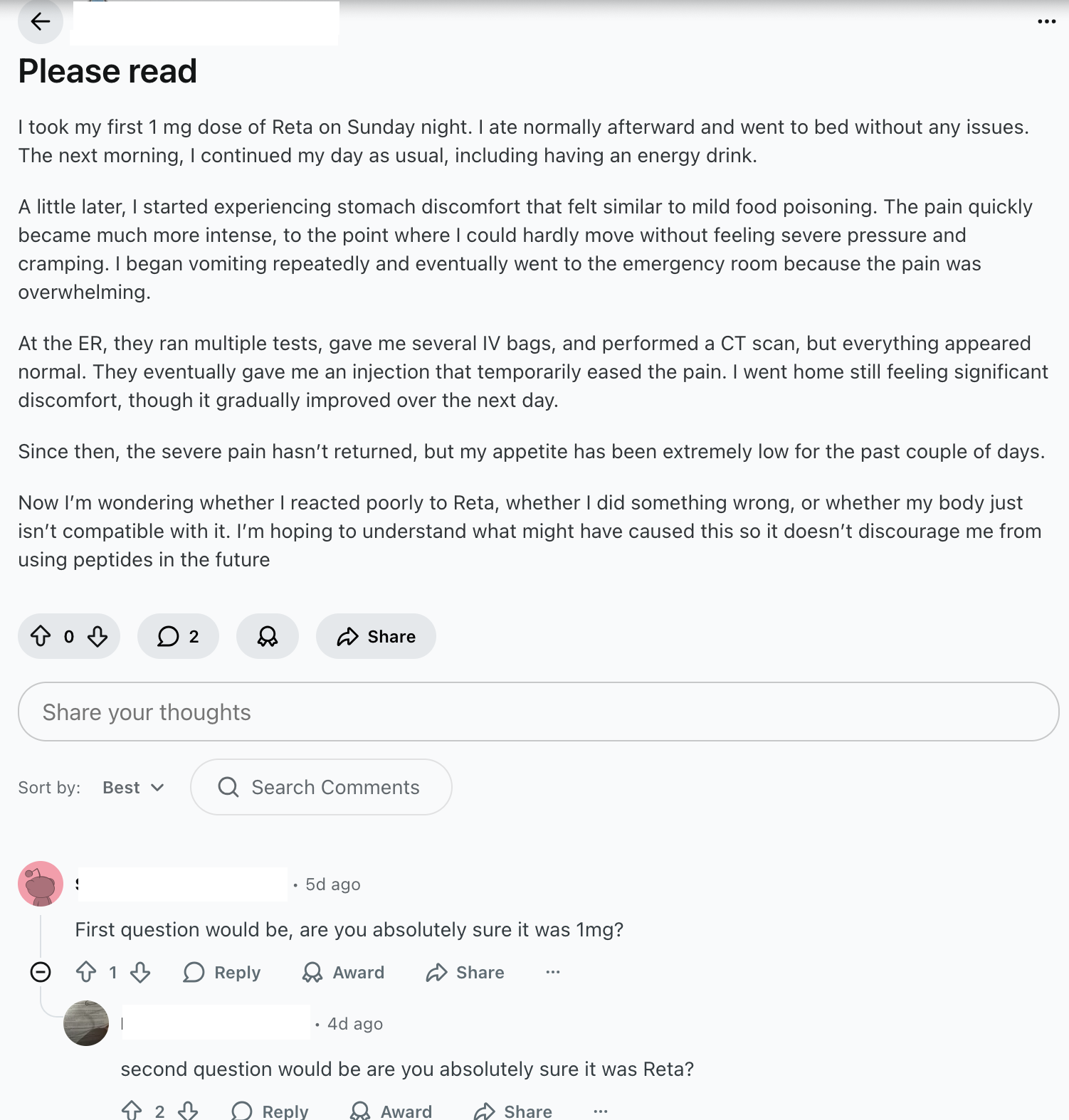
This December 5, 2025 post comes from a user who went to the ER after injecting retatrutide, a weight loss injectable that is still in clinical trials. Commenters reasonably questioned whether the poster was sure the injection was actually retatrutide and whether they had taken too high a dose.
If the poster were taking FDA-approved medicine that had been prescribed to them, no one would need to ask whether it was real or whether they had taken the wrong dose.
International News
The WHO warned about a fake drug for kidney transplant patients. Mexican authorities shut down pharmacies selling adulterated medicine to tourists.
The World Health Organization warned that it had discovered a counterfeit version of SIMULECT (basiliximab) circulating in Rwanda, Bulgaria, and Türkiye. The injectable, which prevents organ rejection in kidney transplant patients, had no active ingredient.
Mexico’s COFEPRIS shut down five pharmacies in Playa del Carmen for selling adulterated and controlled medications to foreign tourists. Many of these pharmacies advertised to English speakers.
In Nigeria, Lagos State Police Command seized fake malaria medications, counterfeit syringes, and other unregistered medical supplies from an illegal drug-manufacturing network in Ojo.

Regulators in Maharashtra, India, canceled the licenses of more than 200 companies for selling substandard medicines, some of which were being sold under false labels. The medicines included cough syrups and treatments for hypertension, diabetes, tuberculosis, and heart disease.
Authorities in Delhi busted a counterfeit medicine operation that had been making prescription ointments for treating skin infections, allergies, and injuries, and selling them as genuine branded products.