
May 11, 2026: Connecticut AG’s crackdown leads to major platform halting sales of “research grade” weight loss chemicals to U.S.
Major Stories
In a major settlement, Made-in-China.com will stop selling research chemicals to U.S. buyers. A lawsuit was filed against pharmacies that allegedly sold counterfeit and imported products. 90 countries came together to seize more than 6.4 million doses of illicit pharmaceuticals.
A year after announcing the investigation into the international trade platform Made-in-China.com, Connecticut Attorney General William Tong said the company will cease all sales of products claiming to be GLP-1s into the United States. Many drugs on the site are listed as “research grade” or “generic” versions of brand-name products and are both non-FDA-approved and, reportedly, are often substandard or falsified. In addition to no longer advertising or selling to U.S. customers, the platform is required to deploy a monitoring system to remove such listings before being fined. The AG reached a similar agreement with Triggered Brand in 2025.
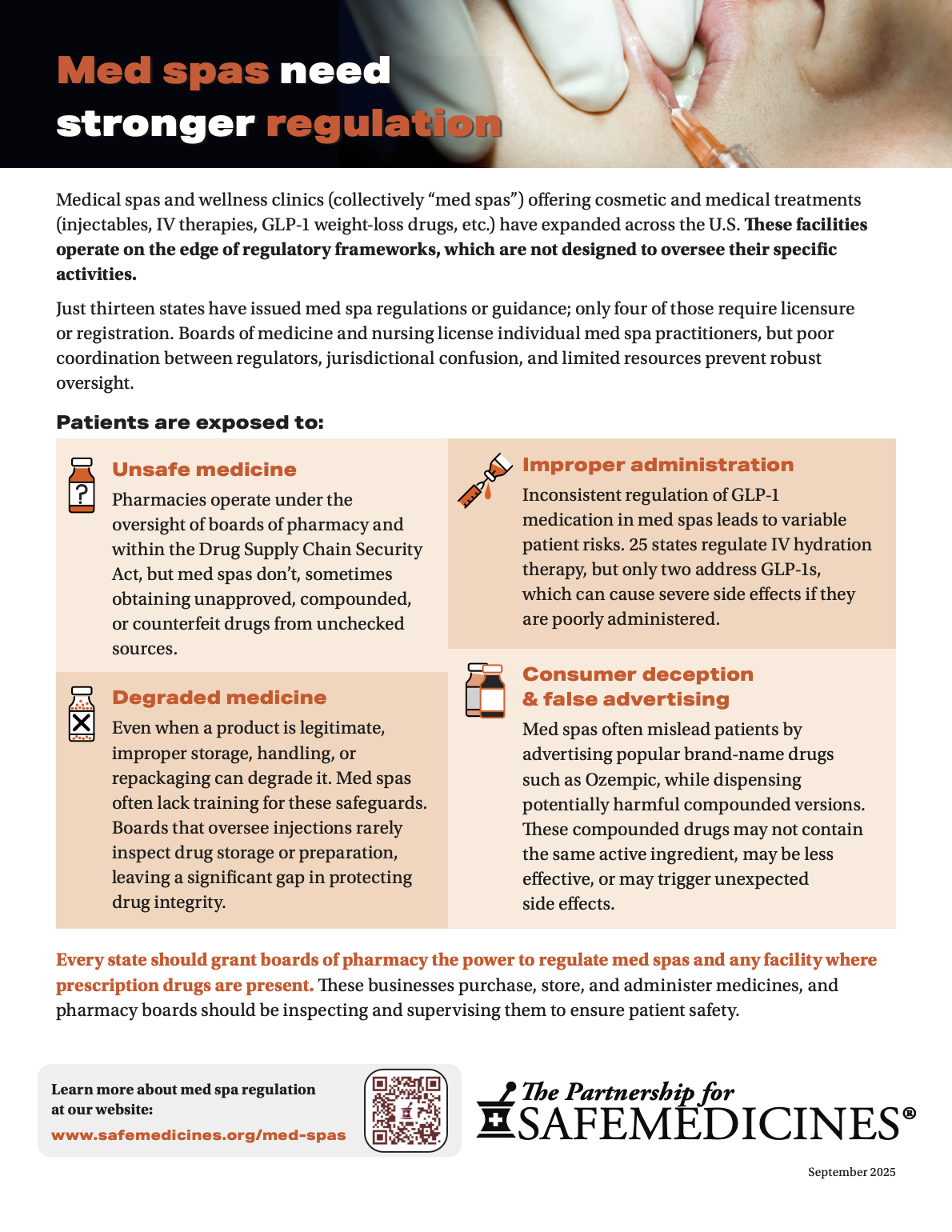
AG Tong also announced a settlement with a Connecticut med spa that advertised and prescribed compounded weight loss injections. This follows May 2025 letters warning clinics and spas that they could no longer market compounded versions of these drugs because of health and safety concerns associated with them, including adverse events. A similar settlement was made with a clinic in June 2025.
Gilead Sciences filed a lawsuit against several New York City pharmacies, alleging they sold counterfeit and diverted HIV medications branded as Gilead products, including Biktarvy and Descovy. According to the complaint, the pharmacies sold counterfeit and previously dispensed HIV drugs through online medication marketplaces, including pharmacy-to-pharmacy platforms.
Gilead alleged that investigators purchased discounted bottles of Biktarvy and Descovy that showed signs of tampering. One bottle’s serial number traced back to a legitimate Philadelphia pharmacy that had already dispensed the medication to a patient months earlier. The lawsuit also accuses some defendants of operating sham pharmacies with little or no legitimate retail activity. Gilead argued that the alleged scheme created a dangerous black market for HIV medications that could endanger patients relying on authentic treatment.

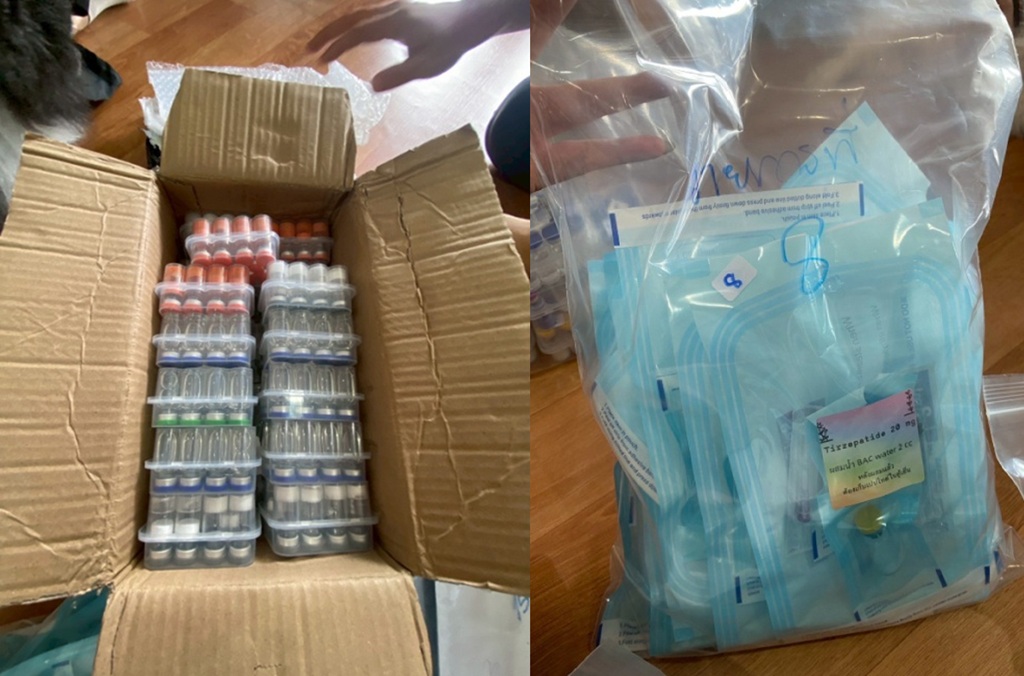
Authorities in Thailand seized over 300 semaglutide and tirzepatide vials at an aesthetic clinic. (Photo: Interpol)
INTERPOL’s Operation Pangea XVIII, which was conducted March 10-23, 2026, across 90 countries, resulted in the seizure of more than 6.4 million doses of illicit pharmaceuticals worth $15.5 million. U.S. authorities were among the most active participants, seizing more than 342,000 doses of counterfeit or unapproved drugs. Investigations also disrupted 5,700 websites, social media pages, and automated online sales channels used to market fake medicines directly to consumers.
Authorities reported significant seizures of antiparasitic drugs, which are increasingly sold online in misleading “cancer treatment kits” despite warnings from health regulators that there is no scientific evidence supporting such uses. Investigators also identified rising demand for steeply discounted GLP-1 weight-loss medications and anabolic steroids, many of which were manufactured overseas and sold online. Some illicit weight-loss drugs contained banned substances linked to heart attacks and strokes.
Med Spa News
A med spa owner and medical supervisor were arrested after allegedly administering an unsafe IV infusion that caused a Texas woman, Jenifer Cleveland, to suffer fatal cardiac arrest in July 2023. Cleveland was allegedly given an “IV cocktail” containing total parenteral nutrition (TPN) electrolytes, which should be administered over 24 hours. She reportedly collapsed just 27 minutes after her infusion began in the med spa, which did not have emergency equipment, nor did the owner have medical training. The defendants are facing several charges, including felony murder, practicing medicine without a license, and delivery of a dangerous drug. Following her death, Jenifer’s husband worked with Texas legislators to pass “Jenifer's Law,” which was signed in 2025.
An Arizona woman was arrested after authorities say she performed cosmetic injections without a license while falsely advertising herself as certified online. According to court records, she faces multiple felony charges, including operating without a license and fraudulent schemes. Investigators say she promoted services such as fillers, liquid rhinoplasty, and “fat dissolve” treatments on social media and her website. The arrest followed an undercover operation by the Arizona Attorney General’s Office, and the Arizona Medical Board listed her as an “imposter” and issued a cease-and-desist order one day before her arrest.
In a new Scientific American podcast, Victoria Song, a senior reviewer at The Verge, discusses the growing peptide craze on social media and how easy it is to buy unapproved experimental drugs online. Song says she easily purchased a vial of “retatrutide,” an obesity drug still in clinical trials, through a TikTok influencer link. Many of these substances are sold as “research only” chemicals as a legal loophole, yet people are increasingly treating injectable experimental compounds “like a multivitamin,” despite unknown long-term risks. The episode also warns about “peptide washing,” where wellness and skincare brands use trendy language to market products that may contain little meaningful peptide content at all, while normalizing a potentially dangerous drug.
Domestic
Primary care clinics in California settled a False Claims Act suit over misbranded contraceptive implants. A Maryland woman was hospitalized after taking a supplement. Sentencings in counterfeit pill cases in Maryland, Indiana, and Massachusetts.
A nonprofit network of primary care clinics serving low-income individuals and families in California has agreed to pay $750,000 to settle allegations that it submitted false Medicaid claims tied to misbranded contraceptive implants. Federal officials say the nonprofit purchased unapproved or improperly labeled Nexplanon contraceptives from an unlicensed wholesaler between 2017 and 2020 and billed Medicaid using incorrect drug identification codes. The settlement does not include an admission of liability.
A 24-year-old woman was admitted to the cardiac ICU after taking four “raiz de tejocote” supplements for constipation and developing symptoms of digoxin-like toxicity, including dangerously low heart rate, low blood pressure, and high potassium levels. Doctors suspected the supplements were contaminated with yellow oleander, a poisonous plant known to cause severe heart problems.
A Maryland man was sentenced to 21 years in prison for running a social media-based drug trafficking operation that sold counterfeit pills laced with fentanyl. Prosecutors said he used platforms including Instagram, Snapchat, Telegram, and Signal to market fake Percocet and oxycodone pills to buyers, including juveniles who suffered suspected overdoses. Investigators later seized fentanyl, methamphetamine, and cocaine from his home.
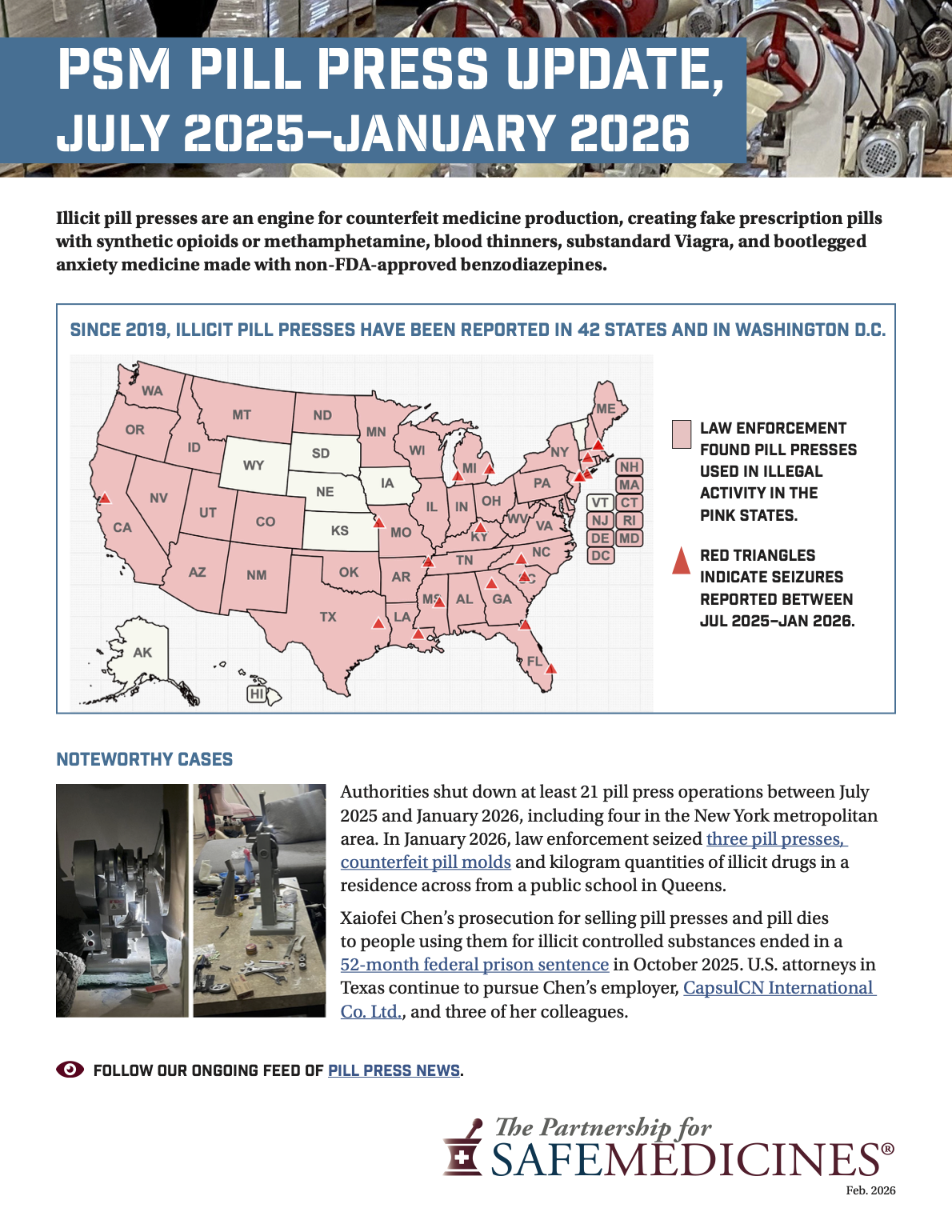
An Indiana man was sentenced to more than 16 years in federal prison after prosecutors said he sold fentanyl that caused a woman’s fatal overdose in Indianapolis. During a search of his apartment, investigators found a pill press, more than 1,000 counterfeit Xanax pills, and hundreds of grams of fentanyl.
A Massachusetts man was sentenced to 10 years in federal prison for trafficking counterfeit prescription pills containing fentanyl and methamphetamine while also illegally possessing firearms. Investigators found he used a pill press to manufacture fake oxycodone and Adderall pills laced with fentanyl, and later seized additional drugs, multiple guns, and manufacturing equipment from his residence.
Regulators protecting patients in the news
Boston Scientific issued a major correction for its ACCOLADE family pacemakers and CRT-P devices, instructing clinicians to upgrade device software due to risks linked to battery issues and unintended device behaviors. The FDA-classified recall involves reports of four deaths and more than 2,500 serious injuries.
The FDA warned a Florida over-the-counter drug manufacturing facility after an inspection found significant violations, including inadequate investigations of microbial contamination in drug batches by relying on passing retest results before releasing. The FDA also found unvalidated microbiological testing methods and inadequate testing of incoming raw materials.
FDA also warned a New Jersey facility over widespread failures in how the firm investigated more than 2,500 complaints involving sterile products with foreign matter—mold, missing components, and compromised seals—including issues linked to sterility failures and a recall. The agency also cited inadequate contamination control and cleaning across the Texas facility, despite similar issues being identified in prior inspections.
The FDA warned an Illinois manufacturer for widespread data integrity and quality control failures, including unauthorized “trial injections,” deleted or missing analytical records, and inadequate audit trail oversight across laboratory systems used for drug and API testing. The agency also found that the Quality Unit lacked proper authority and oversight, leading to incomplete investigations and unreliable batch release decisions.
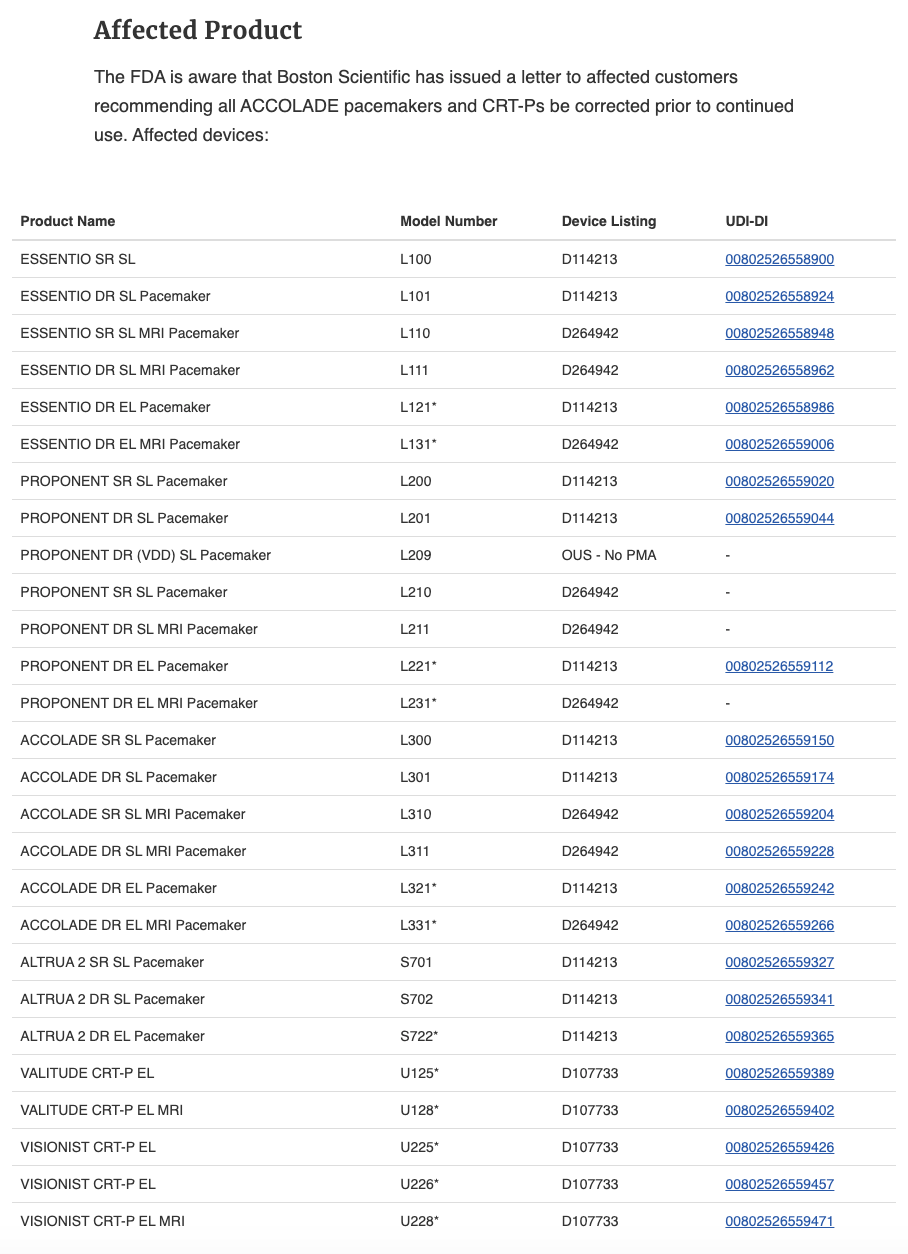
Products affected by Boston Scientific's Correction
A Czech over-the-counter drug manufacturer was warned for FDA violations, including failure to perform required identity testing of raw materials, lack of stability studies to support expiration dates, and inadequate validation of manufacturing processes and analytical methods. The agency also concluded that the firm lacked sufficient evidence to ensure the quality, safety, and consistency of its products.
Across four FDA warning letters, websites and facilities in Florida, Hawaii, New York, and Pennsylvania were cited for marketing products as unapproved new drugs by making disease-treatment claims for supplements or OTC products without FDA approval, and for misbranding due to inadequate directions for safe use. Some of the letters also documented missing or inadequate testing, poor manufacturing controls, and insufficient recordkeeping to support product safety, quality, and consistency.
Two more warning letters for firms in California and New York concerned online sellers marketing dietary supplements that the FDA determined were unapproved new drugs because they were intended to treat or affect diseases. FDA testing revealed that the products contained undeclared diclofenac, dexamethasone, and, in one case, omeprazole, creating serious safety risks. They were deemed misbranded and illegally introduced into interstate commerce because they failed to disclose active pharmaceutical ingredients and were not approved as safe and effective drugs.
Legislation
Senator Ashley Moody introduced the PRESS Act, aimed at reducing overdose deaths by targeting pill press machines and precursor chemicals used to manufacture counterfeit pills often laced with fentanyl. Law enforcement officials in South Florida say the legislation would help disrupt the supply chain for fake prescription drugs, which have been linked to multiple overdose deaths.
Colorado’s House Committee on Health & Human Services indefinitely postponed Colorado SB 66, which would have regulated compounded weight loss medications that have not been approved by the FDA.
Keep up with state legislation in the areas of pill presses, prescription drug affordability boards, drug importation, and med spas.
International
Malaysian pharmacy owners warned consumers about copycat websites selling counterfeit products. Indian police arrested four in connection with a counterfeit medicine operation.
Malaysian pharmacies are warning that counterfeiters are impersonating legitimate pharmacy brands online to sell fake health products at lower prices, raising serious concerns about consumer safety. Pharmacists reported repeated takedowns of fake listings, but the impersonation schemes keep reappearing and may expose buyers to unknown or harmful substances. U.K. authorities issued warnings about similar practices in April.
Indian Police busted a counterfeit medicine syndicate that was manufacturing and distributing fake cancer and liver disease drugs across multiple states, arresting four people involved in the operation.