
August 10, 2026: Compounded peptide injections recalled due to high endotoxin levels
Major Stories
Victory Medical Center Pharmacy issued a voluntary recall for three lots of its compounded glutathione vials due to elevated endotoxin levels. The FDA has received reports of adverse reactions, including nausea, vomiting, tachycardia, and instances of injection site reactions. They further warn that anaphylactic shock and death are associated with high endotoxin levels in injectable products. The affected lots expire on August 27, 2026, and bear the numbers 1980571, 1981940, or 1984345.
The facility, a licensed 503A compounding pharmacy in Austin, Texas, produces compounded peptide products like glutathione for shipment across the country. In this case, it isn’t clear whether this product met legal criteria for compounding to begin with. Glutathione is not on the FDA 503A or 503B bulks list and has a dietary supplement monograph rather than a pharmaceutical one. After another endotoxin outbreak in 2019, the FDA warned a compounder not to use dietary supplement API in glutathione injections, which are required to be sterile.
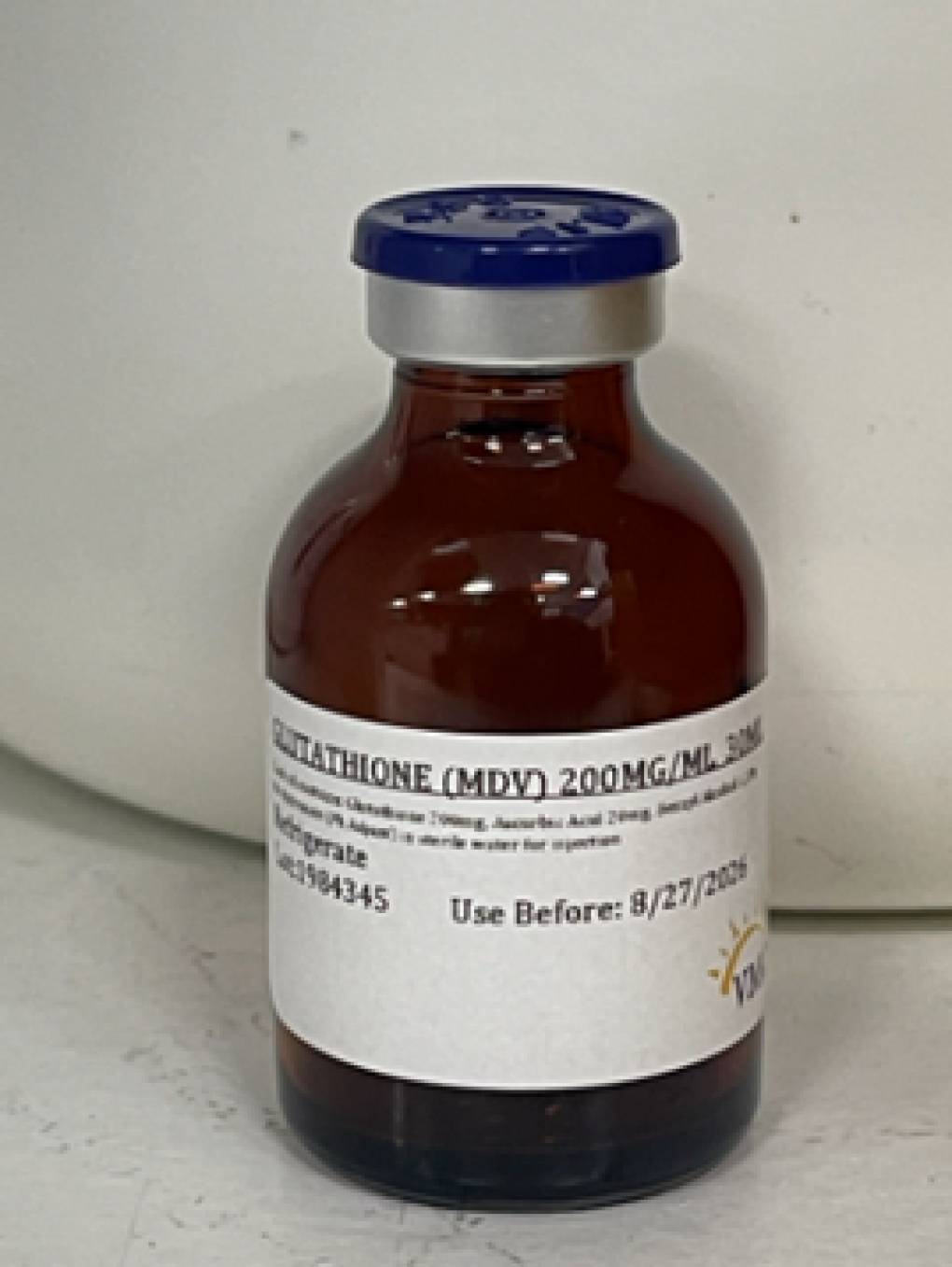
Recalled glutathione (Photo: FDA)
Domestic
California and Ohio pursue out-of-state pharmacies for operating without licensure. Peptide popularity surges as reporting indicates consumers are not able to accurately follow dosing instructions and worries about a lack of human trials mount. Eli Lilly to expand retatrutide access.
In May, the California Board of Pharmacy issued a cease-and-desist order to Texas-based Greenwich Rx after the company was found to have shipped over 250,000 prescriptions to California without a license between May 8, 2025 and March 2, 2026. At least 228,000 of those shipments were sterile compounded prescriptions, which equates to over 1,200 drugs shipped every business day. According to the cease-and-desist, a telehealth platform worked with Greenwich Rx to fill prescriptions for patients in California, despite them lacking licensure.

The Ohio Board of Pharmacy issued a summary suspension for Thousand Oaks Healthcare, a Texas-based mail order pharmacy that shipped drugs to Ohio patients without a license. From April 2024 to July 2026, regulators found the pharmacy dispensed 323 compounded injectable prescriptions, 173 adulterated compounded capsules that were ineligible for compounding, and nearly 3,000 biologics prescriptions despite lacking the required Biologics License Application. Further, inspectors found that from November 2023 to July 2026, Thousand Oaks dispensed 14,599 compounded prescription injections for Ohio patients without an Ohio-licensed pharmacist as the responsible person. Finally, between April 2025 and May 2026, the Ohio Board of Pharmacy cited over 800 shipments of dangerous drugs into the state without licensure to do so.
As peptides surge in popularity, reporting underscores just how little consumers know about the safety and quality of the drugs. UNILAD reported Google searches on the experimental drug retatrutide rose by 979% in the past year, and warned that the claim of “99% purity” may mislead consumers into thinking unapproved injectables are up to standards for human use. A small study highlighted by The Conversation found that, despite having access to the internet and artificial intelligence, participants correctly completed fewer than half of the steps needed to prepare and administer a vial of semaglutide. They made errors that could lead to contamination, inaccurate dosing, infection, or other serious harm.

These concerns come as the FDA’s Pharmaceutical Compounding Advisory Committee (PCAC) panel voted to recommend six of seven peptides proposed for compounding. The Los Angeles Times reported that researchers remain concerned about consumers using experimental peptides such as MOTS-c based on animal studies and anecdotal claims, and the HuffPost warned that the PCAC recommendation could be misinterpreted as an FDA endorsement. While the recommendation does not mean these peptides are FDA-approved or proven safe and effective, expanding access could make that distinction even harder for consumers to understand.
STAT reported that Eli Lilly will allow a limited number of patients who meet specific medical criteria to apply for “compassionate use” access to authentic retatrutide while clinical trials are ongoing. The pathway is intended for patients who cannot participate in a trial and have severe, treatment-resistant obesity and serious obesity-related complications, after other treatment options have been considered. Until this development, retatrutide was not available to the public unless patients were enrolled in clinical trials. Many patients turned to the black market, unsure of authenticity, sterility, and dosing of the product they received, and risking severe patient harm in doing so.
A former operations manager for a New Jersey wholesale drug distributor was sentenced to 30 months in prison for his role in a scheme that used doctors’ licenses and medical practices to fraudulently purchase nearly $50 million in oncology and ophthalmology medications for resale. The drugs, including cold-chain biologics used to treat cancer, macular degeneration, and autoimmune diseases, were never administered to the patients they were purportedly purchased for and were instead illegally redistributed for profit.
The CEO of skincare company Scalpa pleaded guilty to mail fraud and federal charges for marketing and distributing unapproved and misbranded injectable devices and drugs, including an unapproved botulinum toxin product called Scalpatox. Federal prosecutors highlighted the particular dangers of unapproved injectable products, which have been associated with serious adverse events, including botulism symptoms.
A Massachusetts man and alleged Asian Boyz gang member was sentenced to 11 years in prison for his role in distributing thousands of counterfeit Adderall pills containing methamphetamine. The federal investigation seized or purchased more than 57,000 counterfeit Adderall pills made in the massive pill pressing operation.
PSM in the news
PSM’s five risks of peptides blog was cited in a GoodRx blog about the hype vs reality of peptides.
Regulators
The FDA sent a warning letter to an Indian manufacturer of over-the-counter drugs, citing inadequate cleaning and validation processes, inadequate quality-unit oversight, and data integrity concerns. Specifically, after waiting several days for an equipment usage logbook, inspectors found fabricated documents that intentionally omitted data related to multiple drugs for the US market.
International
An Australian man died of a heart attack at 33 while using peptides. Counterfeit weight loss drugs, including the experimental retatrutide, were seized in Malta and Brazil. Canadian officials seized counterfeit oxycodone pills.
A 33-year-old Australian man died of a heart attack after years of using body-enhancement drugs, including peptides. His sister is speaking out, saying he had believed the products were safe, prompting conversations about eating disorders in young men. Researchers at the University of Queensland found that some of these products were significantly under- or overdosed, or contained no active ingredient at all, raising serious concerns about what consumers are actually injecting. Australia’s Therapeutic Goods Administration is cracking down on illegal peptide sales; experts say enforcement alone is not enough, and consumers also need evidence-based information about the risks and contents of these products.
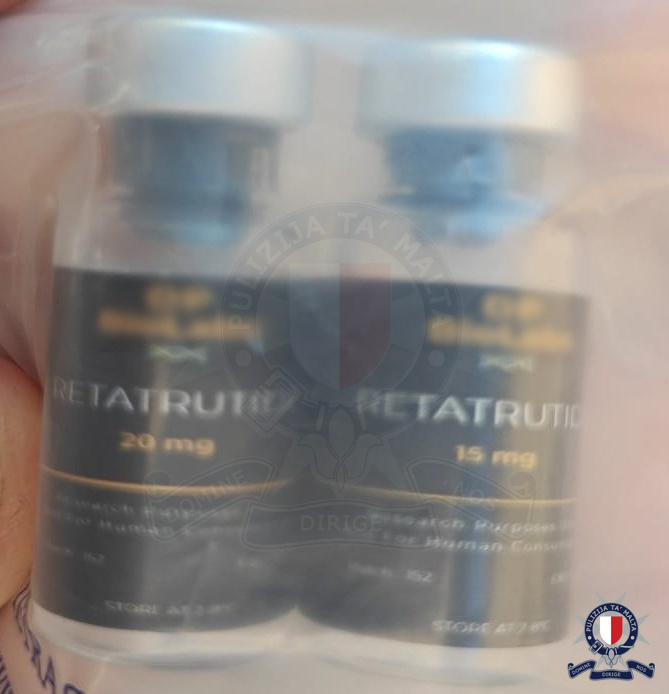
Seized peptides (Photo: Malta Police)
Four people in Malta were arrested as part of an operation targeting the sale of illicit drugs. Officers seized over 2,000 units of peptides, steroids and other illegal substances in their investigation. Police photos indicate that retatrutide was among the illegal substances seized.
A report from the Organized Crime and Corruption Reporting Project examines the booming black market for tirzepatide along the Paraguay-Brazil border, where huge price differences have made the drug a lucrative target for smugglers and criminal groups. Brazilian seizures have surged, and armed robberies, pharmaceutical theft, and counterfeit products, including vials containing only saline, highlight the safety risks surrounding the trade.
After executing several search warrants, Canadian authorities seized counterfeit oxycodone pills that contained a synthetic opioid. They charged a woman with possession of a controlled substance for the purpose of trafficking.
Nigerian police arrested two suspected members of a group allegedly repackaging and distributing adulterated and counterfeit medicines, including omeprazole, Viagra, Ampiclox, and other drugs. Authorities recovered hundreds of cartons, bags of unpackaged medicines, and empty packaging.
Authorities in Uzbekistan reported two major counterfeit-drug seizures. In one case, officials seized 1,330 packages of counterfeit medicines that were allegedly smuggled from Russia. In another, officials intercepted more than 21 tons of a counterfeit antibiotic imported from China and falsely declared as Indian-made.