
Key takeaways from PSM's Axios event: Examining risk and regulation in the compounded GLP-1 landscape
August 11, 2026
The Partnership for Safe Medicines recently partnered with Axios for a timely conversation on the growing patient safety threats and oversight issues in the compounded GLP-1 market.
As demand for weight loss drugs continues to surge, compounders have seized the opportunity, often at the risk of consumers’ informed use and safety.
During the event on July 22, expert speakers explained that compounded GLP-1s can enter the market without FDA approval and that many patients are not aware of the differences. Compounding was originally intended to make minor, individualized adjustments to existing medications for specific patients or to meet temporary supply needs during shortages. However, compounders have exploited these pathways, mass-producing and marketing the unapproved substances beyond the intended regulations.
The event featured interviews with SAFE Drugs Act sponsor Rep. Rudy Yakym (R-IN), Rep. Nikki Budzinski (D-IL), leading obesity medicine specialist Dr. Scott Kahan, and PSM Executive Director Shabbir Imber Safdar.
All delivered a clear message: Compounded substances are not the same as FDA-approved medications, and treating them as such undermines patients’ safety.
"Access to an unsafe medicine is no access at all," Safdar said.
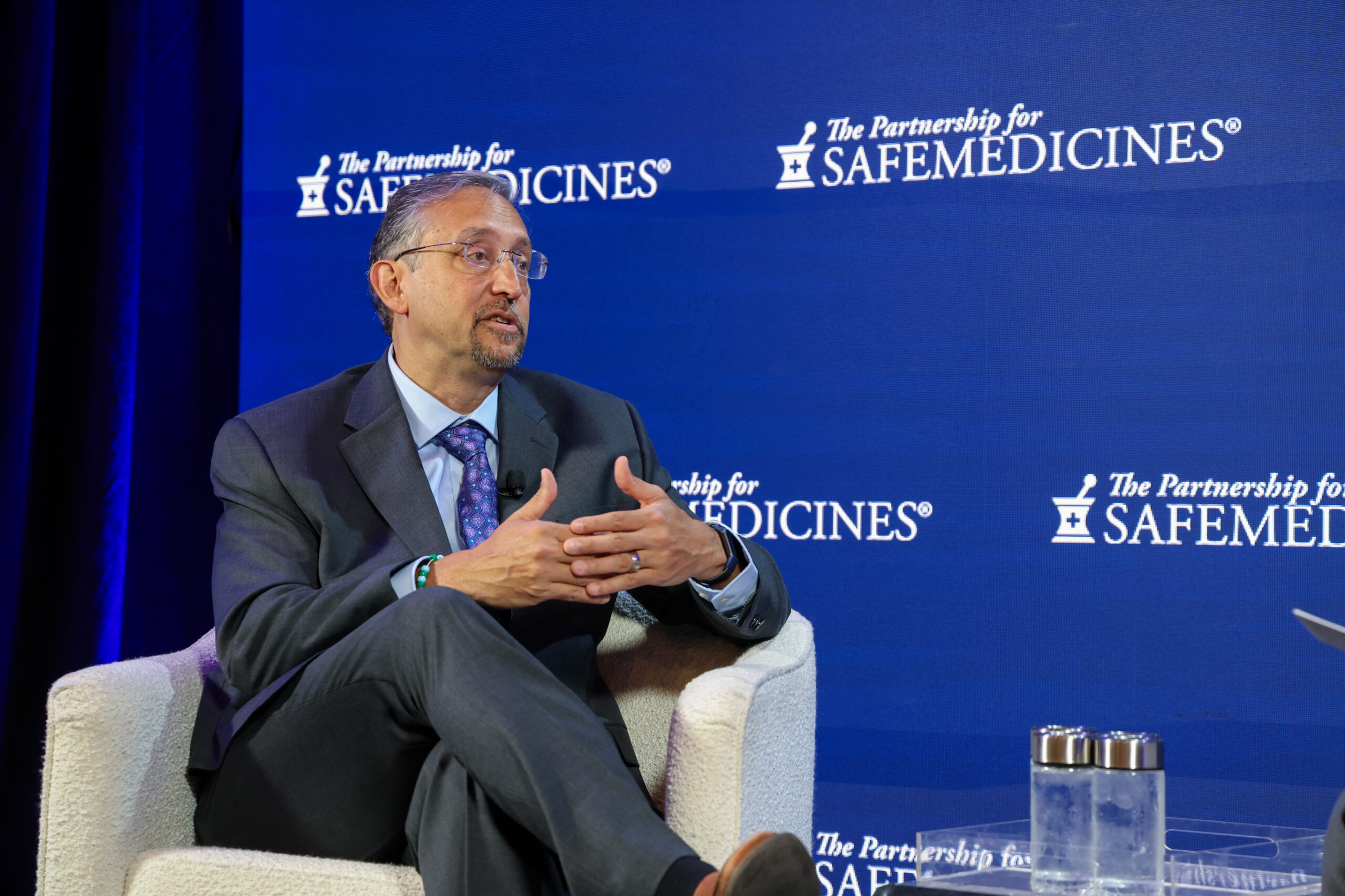
"I don't consider [compounded GLP-1s] medications," Kahan stated. "Medications are approved by the FDA; they're studied for safety and efficacy. These aren't."

Safdar called on the FDA and state boards of pharmacy to take more decisive action — both enforcing existing rules and closing regulatory gaps that leave patients exposed to unsafe substances and manufacturing and marketing practices.
He pointed to weak oversight and the lack of real consequences as key factors in the compounded GLP-1 market's growth. Troubling reports of poor manufacturing and more than 1,000 adverse events have followed.
Safdar also flagged concerns from the FDA’s Pharmacy Compounding Advisory Committee meeting on July 23-24, warning that the addition of peptides to the 503A bulks list would further exacerbate compounding issues and bypass the safeguards designed to ensure safety and efficacy.
Rep. Yakym highlighted the SAFE Drugs Act as a source of new policies to protect patients in the GLP-1 market. As he explained, safety inspections and transparency on ingredient sourcing should be baseline regulation for any medication, not an aspiration.
“We should be raising the standards for safety,” he said. “Americans expect that.”

Rep. Budzinski addressed the issue through the lens of access and affordability, but as the conversations reinforced, safety and efficacy must be the priority.
“Investment in innovation and research is so critically important to the next opportunity in medicine,” she said.

PSM will continue working with partners and advocates to strengthen policies and regulations. As Kahan put it, "it's not fair to patients" to do anything less.
Watch the full event here.
For more on the dangers of compounded GLP-1s and policy solutions, check out these resources: