
Remembering Alex Boutin: the hidden risks of performance enhancing drugs
October 15, 2026
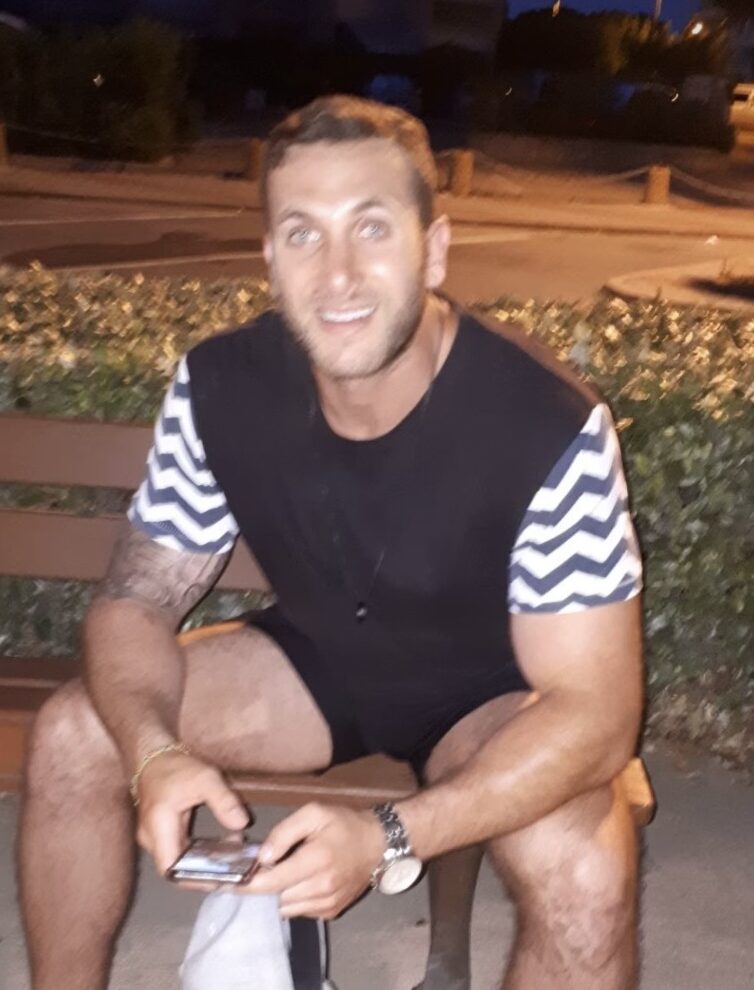
Photo: Isabella Boutin
Australian Alex Boutin was introduced to performance and image enhancing drugs (PEIDs) when he was a vulnerable 17-year-old. When he hit the gym just after a breakup, he took the advice of older gym veterans about how he could bulk up fast, setting off more than a decade of steroid and, eventually, unregulated peptide use.
Alex felt that the PEIDs made him stronger, but his sister Isabella watched him go through cycles of anxiety and depression driven by the drugs, and says he became addicted to them. She believes that they fueled undiagnosed megarexia (also called reverse anorexia or ‘bigorexia’), a disorder that causes people to obsess about their muscle size and looking strong.
At the same time, Alex had a huge appetite for life. “He had so much ambition. He wanted to be really successful,” Isabella told us. “He had just bought his own business. He was doing really well…and he had a generous heart.” He assured his sister that the drugs he took were safe, but Alex had no medical supervision, and a decade of using them silently took its toll. On October 16, 2024, after a dinner out with friends, Alex collapsed at home and died. He was only 33, and he looked perfectly healthy, but he’d developed myocarditis, a heart muscle infection, that killed him.
PEIDs use is a global problem. An estimated four million people use anabolic steroids in the U.S. alone, and those numbers don’t include other PEIDs, like human growth hormone, clenbuterol, or the peptides that are increasingly promoted on social media. Governments don’t consistently track deaths and injuries from these drugs, but studies have shown that weightlifters who use them have increased mortality rates and a higher risk of developing cancer and heart and metabolic diseases.
Safe supply is also a problem. PEID sales are typically unregulated, and users can’t be certain what they are injecting and whether it is safe or sterile. In the case of many substances, there is also no established definition of what a product is, and no human trial data to establish overall safety or safe dosing.

Photo: Isabella Boutin
Isabella is still grappling with losing her brother. “Now that he’s not here anymore I realize how much he protected me in my life and that’s why it feels like even more of a loss.” Now, she’s trying to transform her grief into something useful, collaborating with the media and healthcare experts and launching a foundation dedicated to educating physicians and teachers about the hazards of performance-enhancing substances.
You can keep up with her work at her foundation’s home on instagram.
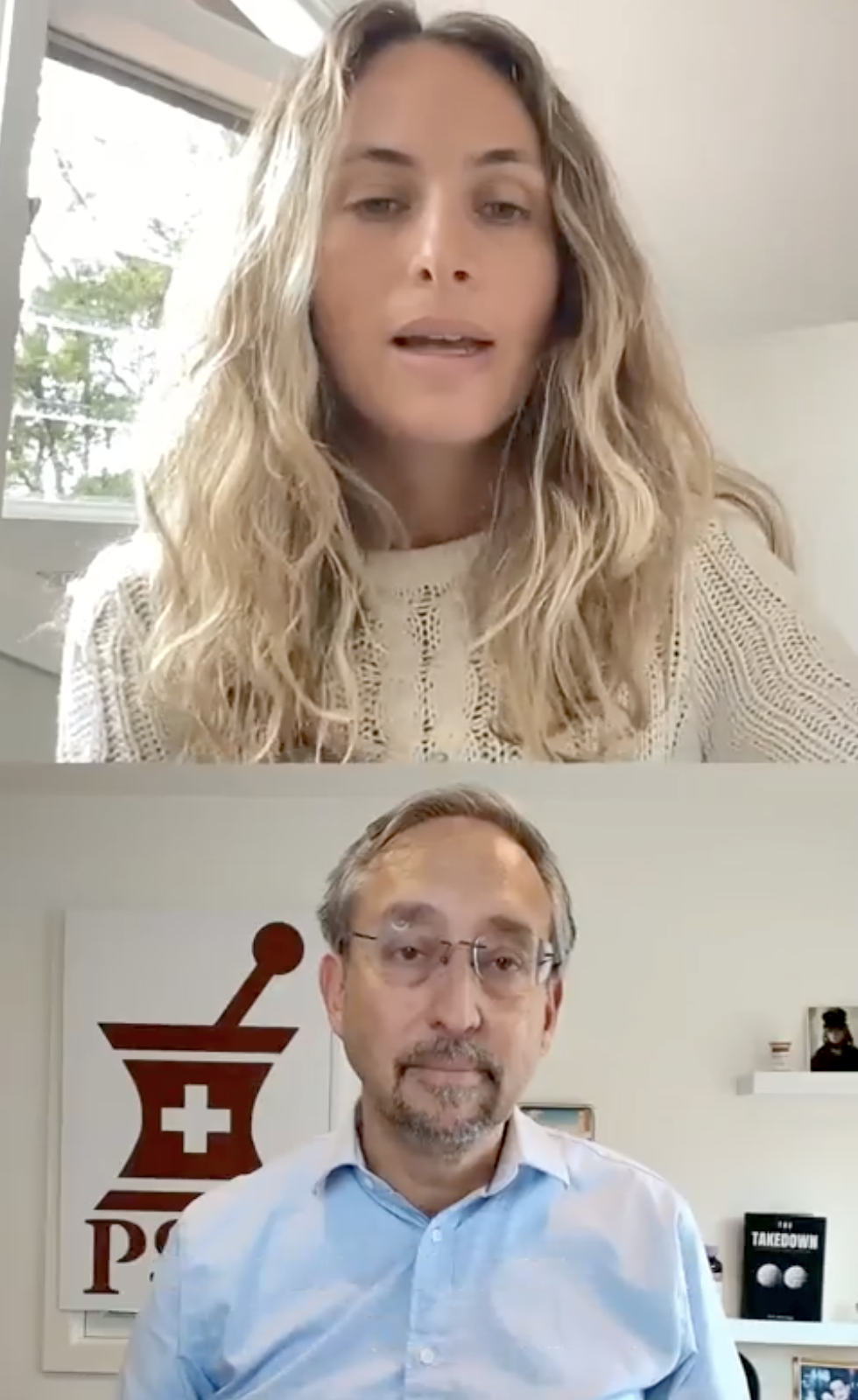
Isabella Boutin and Shabbir Safdar spoke about her brother and the dangers of performance and image enhancing drugs in September 2026.
Listen to the interview, and keep up with the Alexander 33 Foundation here.
Performance-enhancing drug users are increasingly taking unapproved peptides to boost their strength and healing without enough data to establish that they are safe or effective. Learn about the risks.
