
October 26, 2026: PSM files citizen petition asking FDA not to allow compounding of peptides
Major Stories
The Partnership for Safe Medicines filed a citizen petition on October 16, 2026, asking the FDA not to allow the compounding of six peptides recommended by the Pharmacy Compounding Advisory Committee (PCAC) in July. BPC-157, KPV, TB-500, MOTS-c, emideltide, and semax are untested and poorly defined, and making them easier to compound is a threat to public safety.
To illustrate ongoing risks in peptide compounding, PSM purchased five vials of unapproved peptides from telehealth services in the past 45 days. The products we received were from pharmacies licensed in Texas and Pennsylvania, but none of the businesses had the appropriate licenses to dispense injectables in California.
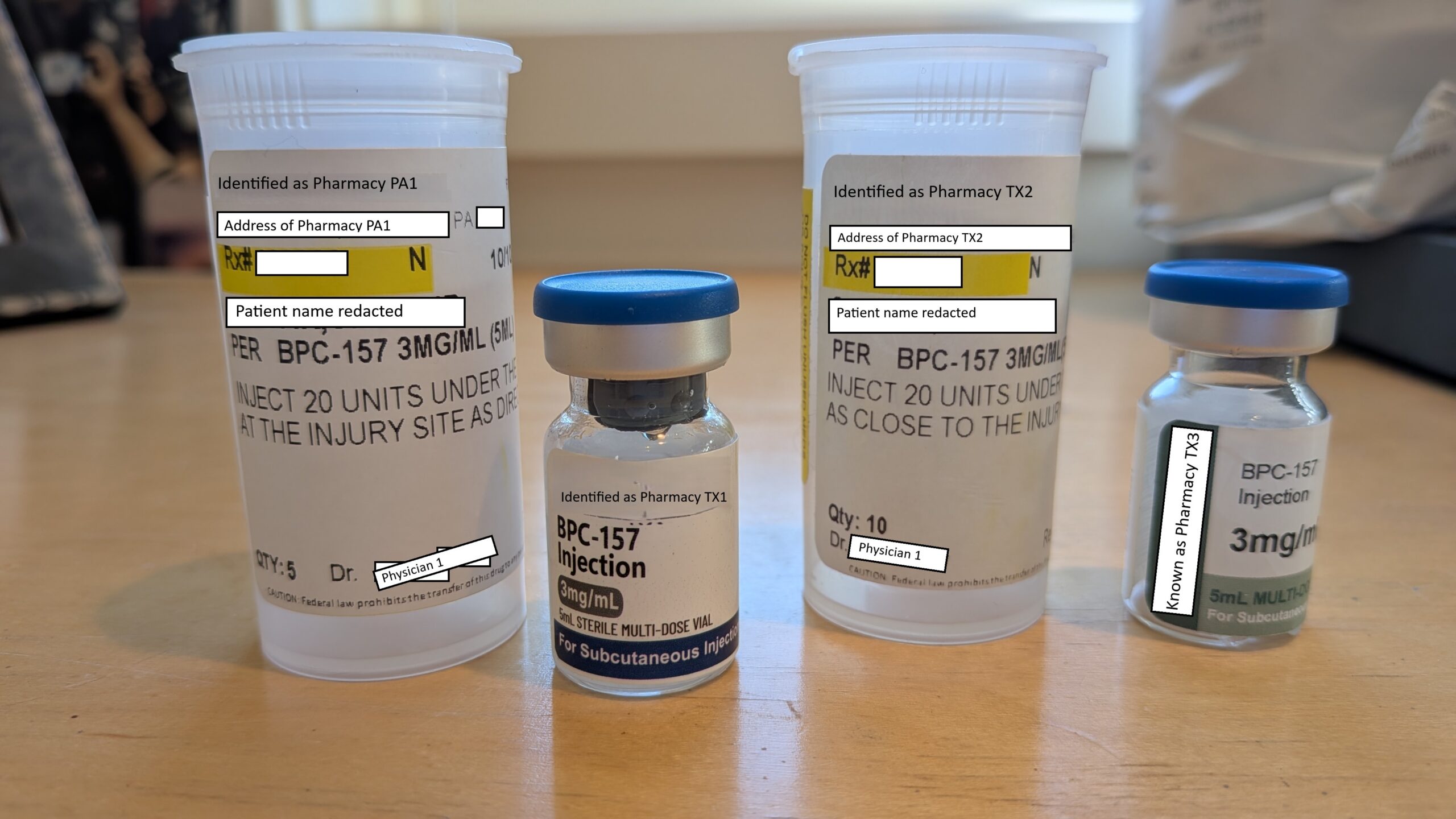
BPC-157 shipped to PSM despite currently being unapproved for compounding. Learn more.
Additional peptide news
Last week, the FDA submitted an “Interim Access Policy” on peptides for review by the White House, which the Associated Press has reported would give the FDA “enforcement discretion” on certain drugs. The policy would enable the agency to choose not to enforce restrictions on peptides.
The National Consumers League is warning against the impending FDA interim policy, which would allow compounding pharmacies to sell these six untested, previously banned peptides without standard rulemaking or clinical trials.
This comes as the National Association of Board of Pharmacy (NABP) executive director Al Carter told Inside Health Policy, discussing the regulatory difficulty state pharmacy associations face as two deaths have been reported to the FDA linked to retatrutide. He said, “These entities that are dispensing retatrutide – they're not licensed, so they're not going to have to follow those either federal or state requirements.” Carter argues the federal government needs to take action against black market sellers and expand regulators' authority to prevent or deter these sellers.
Retired Tennessee Sheriff Dusty Rhoades wrote in the Williamson Herald that law enforcement officials must see pursuing peptides as part of their duty to protect citizens.
Following CBS News’ purchase of several peptides at a New York City bodega, reporters sent the vials to the University of Iowa for testing, where the vial was found to contain no retatrutide. Researchers say that the vial tested didn’t even contain a peptide, but was found to have 13 bacterial colonies.
Domestic
New research compares 12 countries’ enforcement efforts against counterfeit medicines. FDA warns about counterfeit eyedrops.
The United States Chamber of Commerce’s Global Innovation Policy Center (GIPC) launched the Trade in Unsafe Medicines Index, a tool that compares 12 economies' legal and enforcement capacities to combat unsafe medicines and measures the gap between laws on paper and real-world enforcement. They found that in most economies, regulatory frameworks exist but enforcement consistently falls short, particularly in the five African countries studied.
A group of senators, led by Indiana’s Jim Banks, urged the FDA to work more closely with customs and other law enforcement agencies to stop vendors from misusing “research use only” labeling to sell unapproved drugs. Specifically, the letter cited reports of reports to America’s Poison Control of poisoning incidents related to retatrutide. .
New Hampshire’s Attorney General John M. Formella warned residents about the growing danger of counterfeit and substandard medicines sold by illegal online pharmacies.
KFF Health News reported on Americans traveling to China to obtain cancer treatments that have not yet been approved by the FDA, warning that circumventing domestic regulatory oversight, exposes patients to the severe risks of unvetted drug purity, unregulated supply chains, and unmonitored adverse reactions. The FDA “cautions patients about potential safety and quality risks associated with treatments outside our regulatory system.”
A Connecticut man was sentenced to over 12 years for his role in manufacturing and distributing counterfeit oxycodone, Xanax, and Adderall pills on the dark web.
PSM in the news
Want a summary of this news straight to your inbox every week, or a quarterly update on our publications? Subscribe to our newsletter here!
PSM’s citizen petition was covered in several outlets, including in Politico’s Prescription Pulse newsletter, The Regulatory Affairs Professional Society, and the Joplin Globe.
Regulators protecting patients in the news
The FDA warned the public that copycat counterfeit over-the-counter eye drops had been discovered in several states, primarily in retail stores serving Spanish-speaking communities. Laboratory testing confirmed bacterial contamination in the fraudulent products, posing serious risks of eye infections, partial vision loss, or blindness. Consumers are urged to stop using these products, verify packaging against FDA identification guidelines, and seek prompt medical care if experiencing symptoms of an infection.
The agency warned a Vietnamese over-the-counter eyedrop manufacturer for selling unapproved new drugs, falsifying microbial testing and cleaning records, and failing to investigate or halt the release of products that failed visual inspection.
North Carolina-based compounding pharmacy, Apothecary Pharma, voluntarily recalled 22 vials of multi-dose tirzepatide injections for a lack of assurance of sterility. In December 2025 the FDA warned Apothecary Pharma for compounding GLP-1 drugs after the end of shortages, not properly reporting adverse events, and insanitary conditions, such as visible rust.
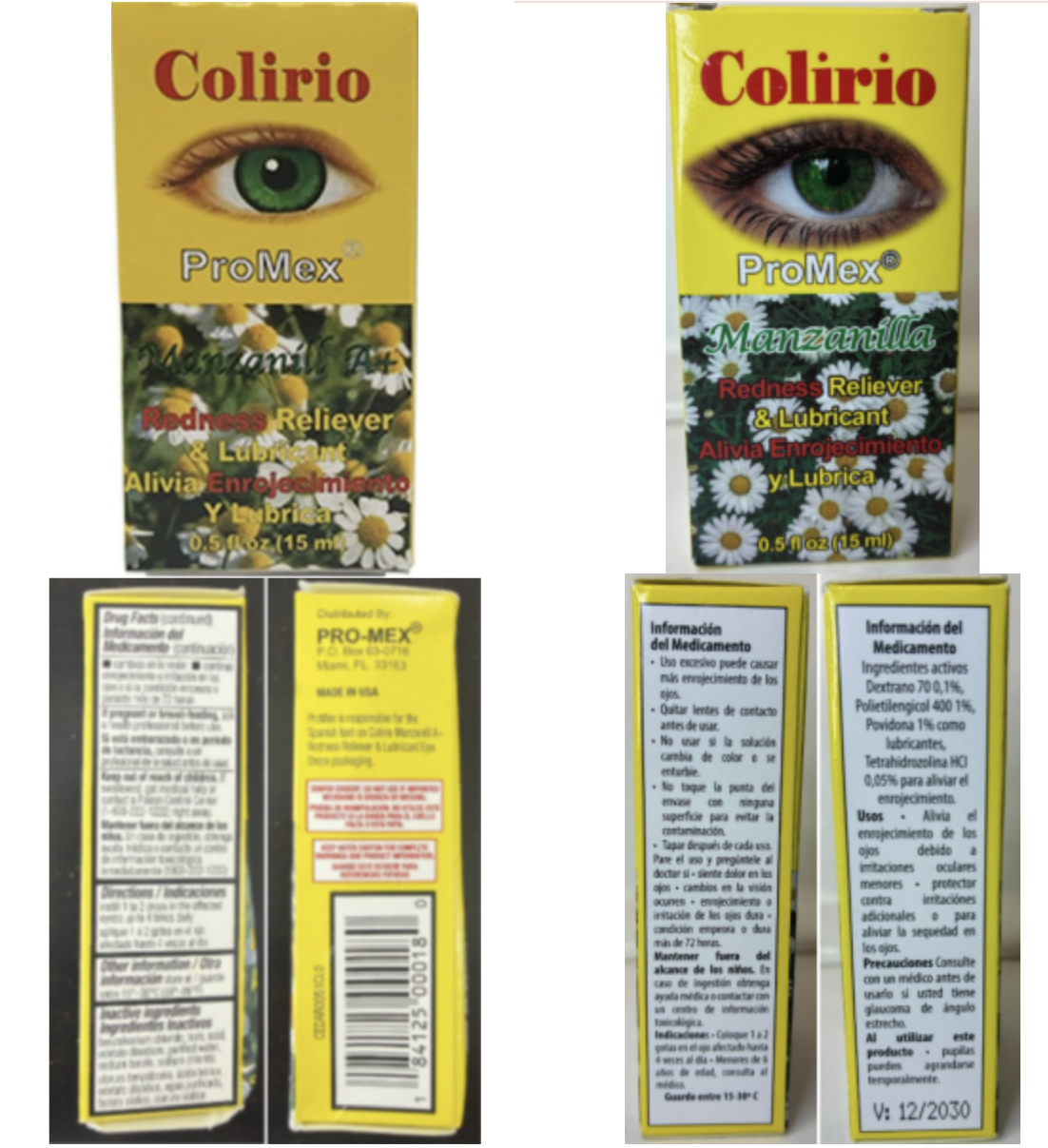
FDA shared images of real eye drop packaging (left) and the counterfeit packaging (right). Consult the FDA's warning to distinguish between the real and counterfeit products.
Texas-based Right Value Drug Stores also issued a recall for over 4,500 vials of compounded testosterone injections for a lack of sterility assurance.
The FDA issued an inspection report to Texas-based compounding pharmacy, Greenwich Rx, in September 2026. Violations cited included non-pharmaceutical ingredient use in sterile production, cleanroom microbial contamination, active construction without proper containment, and endotoxin testing failures. In October 2026, Greenwich Rx recalled compounded glutathione injections over high endotoxin levels that sent two people to the ER. Greenwich is the fourth Texas compounding pharmacy to issue a recall over this issue.
Other warning letters posted this week went to manufacturers in Arizona, Utah, and Illinois.
Patient safety issues in the GLP-1 space
In this October 2026 Reddit post, a patient taking compounded semaglutide warned users that they had been hospitalized after receiving inadequate medical support from the telehealth provider who supplied their prescription. The post validates advocate concerns that telehealth companies may not provide adequate patient care.
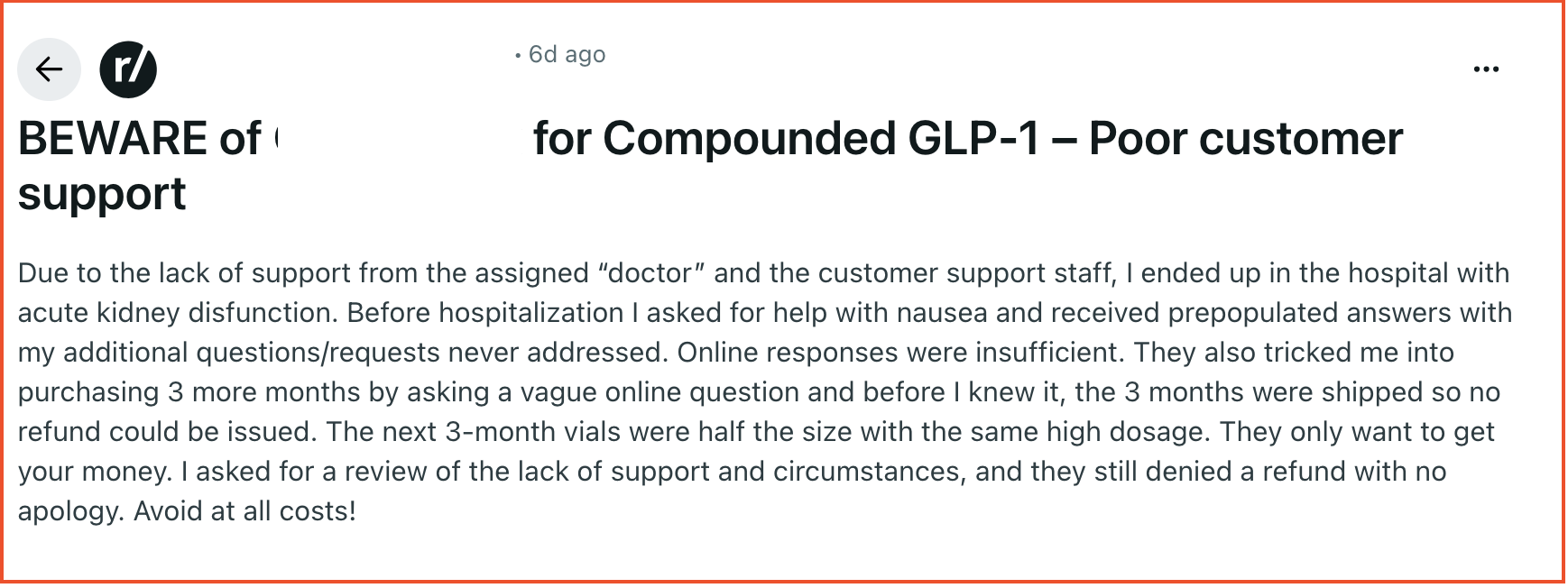
Reddit, October 17, 2026
International
An uptick in retatrutide use in the Netherlands. Counterfeits reported in Pakistan. South Africa and Nigeria contemplate legal and regulatory changes to protect their citizens.
Dutch authorities are warning about the dangers of using illicit weight-loss products as online sales of unregulated retatrutide are increasing in the Netherlands.
Pakistan's Drug Regulatory Authority issued an alert about counterfeit treatments for stomach acidity, respiratory and kidney infections, allergies, and muscle inflammation currently circulating in the country.
South African regulators warned compounding pharmacies not to operate as small-scale manufacturers, as they update policies around the production of GLP-1 therapies to reduce the threat of counterfeits.
The Pharmaceutical Society of Nigeria proposed raising penalties to a minimum N25 million fine and jail terms of up to 20 years to deter counterfeit drug dealers and protect Nigerians from fake medicines.