
June 22, 2026: Study links alternative funding programs to treatment delays
Major Stories
Research finds AFP patients face greater access barriers to specialty medications, and PSM is cited in a New York Times investigation into black market retatrutide.
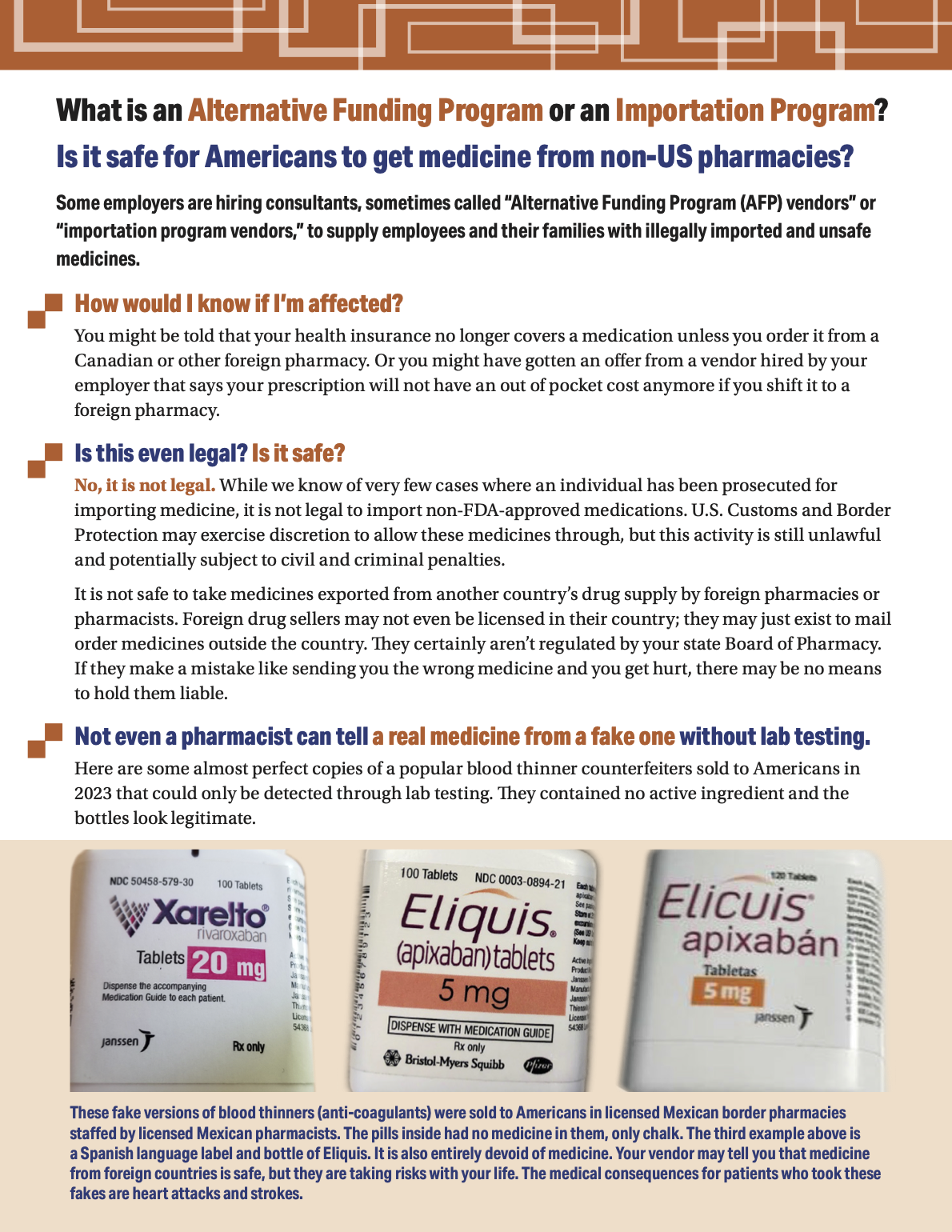
New research found that patients enrolled in alternative funding programs (AFPs) face significantly greater barriers to accessing specialty medications than other commercially insured patients. The study showed that drug manufacturers are increasingly denying patient assistance applications linked to AFPs, resulting in longer treatment delays, more therapy interruptions, poorer clinical outcomes, and greater administrative burdens on health-system specialty pharmacies. Nearly one in five AFP patients ultimately obtained medications through overseas pharmacies, which raises concerns about product quality, supply chain integrity, and exposure to counterfeit medicines.
A New York Times investigation highlighted the growing black market for retatrutide, an experimental weight-loss drug that has not yet received FDA approval, with consumers obtaining the product through online sellers, social media networks, and overseas suppliers. The article cited PSM research, which found that approximately 15 pounds of retatrutide entered the United States between January and April 2026, underscoring the scale of demand. The story also raised concerns about product quality, contamination, mislabeling, and adverse events associated with unregulated supplies of the drug.
Domestic
Regulators protecting patients in the news
The FDA issued a warning letter to a Greece-based manufacturer of sterile injectable drugs, citing concerns about product sterility, contamination risks, inadequate investigations, and data integrity failures. Inspectors identified deficiencies in aseptic processing, environmental controls, laboratory documentation, and quality oversight, leading the company to suspend U.S. production and support voluntary recalls of certain injectable products due to a lack of assurance of sterility.
The FDA issued a warning letter to a Canadian manufacturer of over-the-counter drug products, citing violations including inadequate testing of high-risk raw materials, insufficient process validation, and weak oversight of the quality system. FDA also found deficiencies in water system controls, stability testing, analytical method validation, and quality unit responsibilities, and called for comprehensive corrective actions and independent oversight to bring operations into compliance.

International
Australian authorities warn against retatrutide. Tajikistan regulators dismantle children's medicine counterfeiting operation. UK regulators issue a statement about weight loss drug advertising.
Australian health officials and physicians have issued warnings about counterfeit products marketed as retatrutide, an experimental weight-loss drug that has not been approved by any regulator worldwide. The alert follows multiple cases of severe illness, including acute liver failure, kidney injury, and hospitalizations linked to products purchased through social media, beauty clinics, and online sources. Experts emphasized that any product sold as retatrutide is an unregulated black-market product of unknown composition posing significant patient safety risks associated with counterfeit and illicit weight-loss drugs.
Authorities in Tajikistan dismantled an alleged counterfeit medicine operation that produced and distributed fake versions of popular pediatric and over-the-counter drugs, including Nurofen and Paracetamol. Police seized tens of thousands of bottles, large quantities of packaging materials and raw ingredients, and warned that the products manufactured in unsanitary conditions without proper licensing posed a significant risk to public health.
The UK’s Medicines and Healthcare products Regulatory Agency (MHRA), Advertising Standards Authority (ASA), and General Pharmaceutical Council (GPhC) issued a joint warning that businesses should not advertise unlicensed weight-loss medicines or prescription-only GLP-1 products to the public, including through waiting lists or promotional references to upcoming products.
Nigerian authorities warned that counterfeit Augmentin 625mg tablets are circulating in the country. Officials cautioned that the fake products closely resemble genuine GSK-manufactured Augmentin, including the use of the same batch number of “AC3N.”