
August 31, 2026: Study finds “infrequent inspections” and widespread noncompliance in FDA 503B oversight
Major Stories
A study reveals “critical gaps” in FDA oversight of 503B outsourcing facilities. PSM finds hundreds of thousands of retatrutide shipments in freight report
A new study published in the Journal of the American Pharmacists Association found that few recently registered 503B compounding facilities were inspected, and every inspected facility had multiple objectionable findings. The study, authored by PSM board member Kenneth L. McCall, PharmD, examined the inspection reports of 48 facilities that were registered with the FDA between January 1, 2020 and April 30, 2025. Only 11 (~23%) of those facilities were inspected, and the mean time from initial registration to inspection was over two years. All of the 11 facilities had at least two significant violations listed in inspection reports. The study concludes that the “critical gaps” in oversight pose significant patient safety risks, especially in sterile drug production.
Our latest review of May and June 2026 pharmaceutical import data found that 23 percent of peptide shipments came from facilities identified as illegitimate manufacturers, yet only four percent of these shipments were refused entry. The findings also uncovered 17 shipments involving peptides considered by the FDA’s Pharmacy Compounding Advisory Committee in July and eight shipments of retatrutide. These findings show why stronger oversight of pharmaceutical imports is needed as demand for experimental peptides continues to grow.
"Manufacturer" of imported peptides in the latest freight fraud report.
Domestic
Florida AG pursuing anticompetitive PBM practices. Louisiana authorities bust a “home laboratory” making steroids. Maryland man sentenced for selling counterfeit drugs on social media.
Florida’s Attorney General announced a lawsuit against Prime Therapeutics and Express Scripts, alleging the two pharmacy benefit managers “colluded” in a scheme to underpay local pharmacies, forcing many to fill prescriptions at a loss. According to court documents, prior to the “collaboration” taking effect, Prime Therapeutics’ reimbursement rates were 20% higher. The Attorney General says low pharmacy reimbursements lead to pharmacy closures that can contribute to drug access issues for patients, but they can also contribute to counterfeiting schemes by creating a market for cheaper medicines.
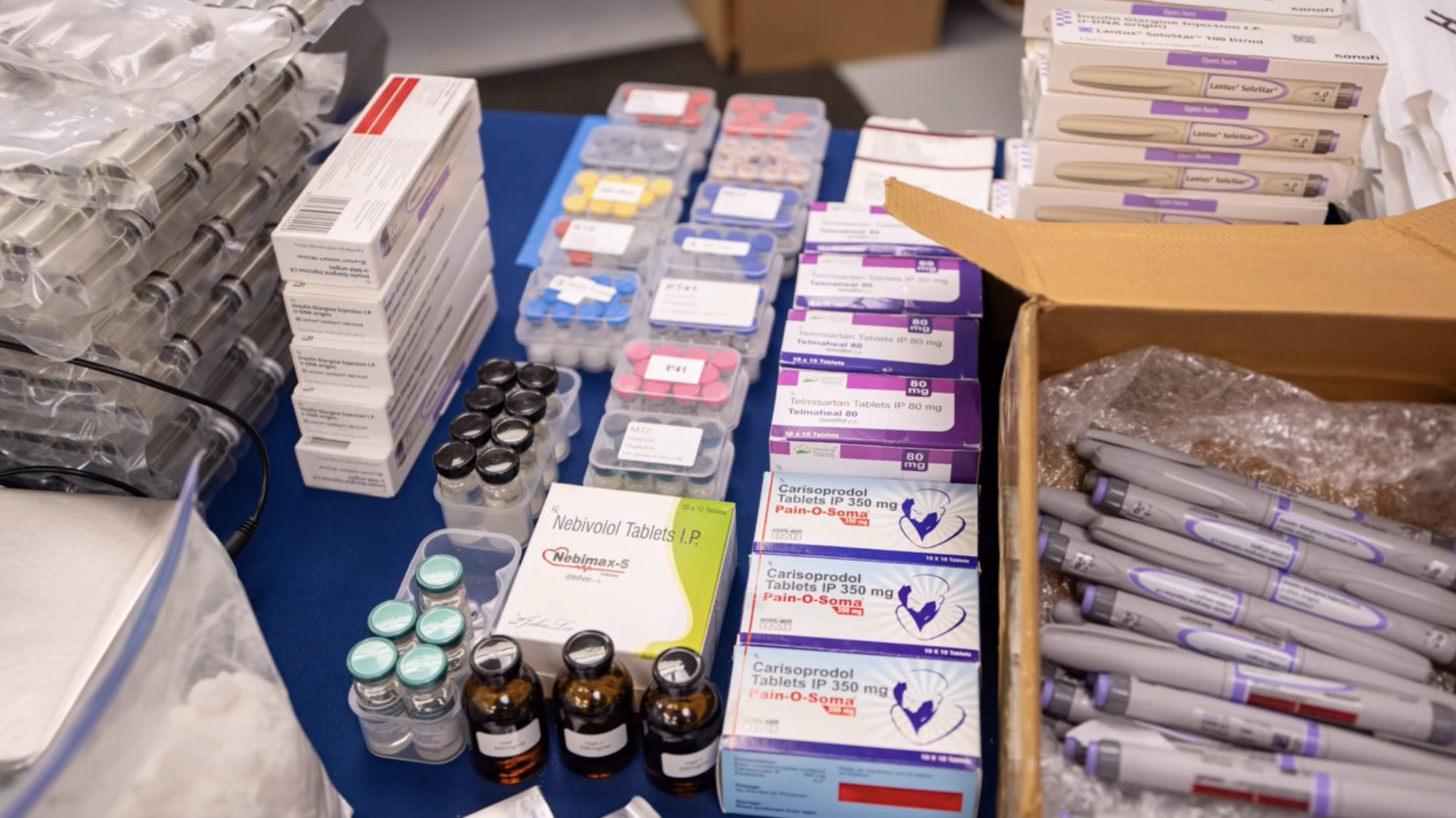
Drugs seized from Louisiana "home laboratory" (Photo: Jefferson County Sheriff’s Office on Facebook)
Authorities seized over $1 million worth of narcotics, anabolic steroids, peptides, and counterfeit weight loss drugs at a “home laboratory” in Louisiana. Investigators also found materials in the home that could make over 10,000 additional vials of steroids with an estimated black market value of $50– $150 per vial.
A Maryland man was sentenced to more than 17 years in prison for his role in a scheme to sell fentanyl pills on social media. Investigators described the operation as a “highly organized digital drug marketplace,” which used platforms like Snapchat and Instagram to advertise counterfeit Oxycodone pills. Two teenagers were nearly killed in connection with the case.
The Maryland Prescription Drug Affordability Board (PDAB) announced the appointment of a new Chair, state delegate Bonnie Cullison. She fills the seat of former chair Van Mitchell, who stepped down in June after serving for nearly six years. The news comes as a state audit finds nearly $1.4 million in unpaid fees to the board as of April 2026. According to the audit, the PDAB failed to pursue hundreds of delinquent accounts and identified $342,000 in fees tied to billing notices returned as undeliverable. The board, which the state has spent $11 million on, operates on a $1.6 million annual budget funded by fees collected from health insurance carriers, pharmacy benefit managers, prescription drug manufacturers, and wholesale distributors.
Eli Lilly announced to investors that the company is pressuring payment processors, e-commerce sites, shipping firms, and social media companies to block the advertising and sale of its experimental weight loss drug retatrutide. Lilly has already filed six lawsuits in their ongoing campaign to limit black-market sales of the drug.
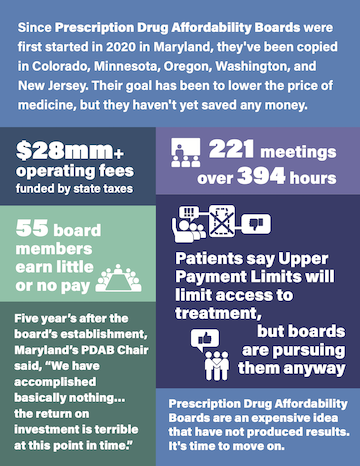

Photo: Office of the South Carolina Attorney General
South Carolina’s attorney general announced the seizure of multiple pill presses, fentanyl, and methamphetamine that were part of a criminal organization to manufacture blue pills containing fentanyl.
PSM in the news
PSM Executive Director Shabbir Imber Safdar joined Connecticut's WFSB-3 live to discuss what to know about weight loss drugs and how to stay safe when taking them.
In their coverage of a second compounding pharmacy recall of injectable glutathione for elevated endotoxin levels, Medical Daily quoted PSM analysis of FDA warnings and regulations.
Regulators protecting patients in the news
The FDA issued guidance to compounders not to use dietary supplement-grade glutathione for injectables. The agency reported that at least 30 patients have experienced adverse events following administration of glutathione, after two Texas compounding pharmacies issued recalls due to elevated endotoxin levels. The FDA said both pharmacies obtained the ingredients, which were labeled as dietary supplement grade, from the same supplier.
Vitruvias Therapeutics announced the recall of their thyroid tablets for being superpotent. Consumption of the tablets may cause hyperthyroidism, which could cause hypertension, chest pain, rapid heart rate, muscle weakness, and nervousness. The affected lot number is 504950.
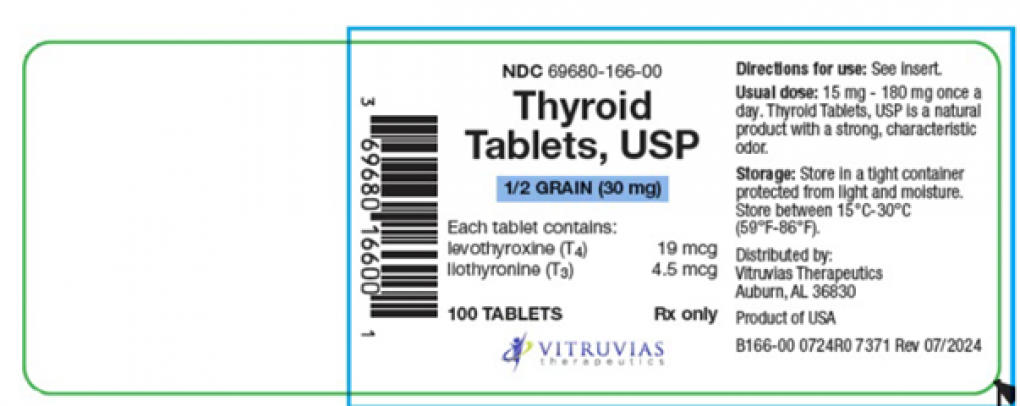
Sample label for the recalled thyroid tablets (FDA)
The FDA also announced the recalls of multiple injectable products due to the presence of particulate matter:
- B. Braun Medical recalled three lots of 0.9% sodium chloride injections USP, 100 mL, for iron oxide particulate matter. The affected lot numbers are J6B435, J6B444, J6B457.
- Baxter International recalled
- One lot of 70% dextrose injections for stainless steel particulates (Lot number Y495066),
- Two lots of 0.9% sodium chloride injections for fiberglass particulates in the solution. (Lots Y495523 and Y495523A), and
- A lot of anticoagulant sodium citrate solution for fiberglass particulates in the solution. The affected lot number is Y493475.
International
Patient harm from black market “retatrutide” reported in Australia, Ireland, and the United Kingdom. Regulators and companies take action against retatrutide products in Canada and the Netherlands. Counterfeit medicines in India and Lebanon.
An Australian drug testing laboratory found major dosing inconsistencies in peptides, including products sold as retatrutide. Of 18 counterfeit retatrutide samples tested, only one matched its label, while about 30% contained more peptide than advertised, 30% contained less, and one contained none. They also reported that the peptide usually represents about 10% of the contents of a vial, “so, there's another 90% that’s unaccounted for.” The findings come as Australian authorities report destroying more than 94,500 unapproved peptide products this year.
Irish hospitals are warning against retatrutide use as doctors report patients taking the unapproved drug without medical supervision. One doctor described a case of a patient who received “retatrutide” injections from a personal trainer before being admitted to the hospital with vomiting and kidney disease. A fitness coach told an Irish news outlet that she became severely ill after injecting “retatrutide,” nearly collapsing in a gym before deciding to stop using it.
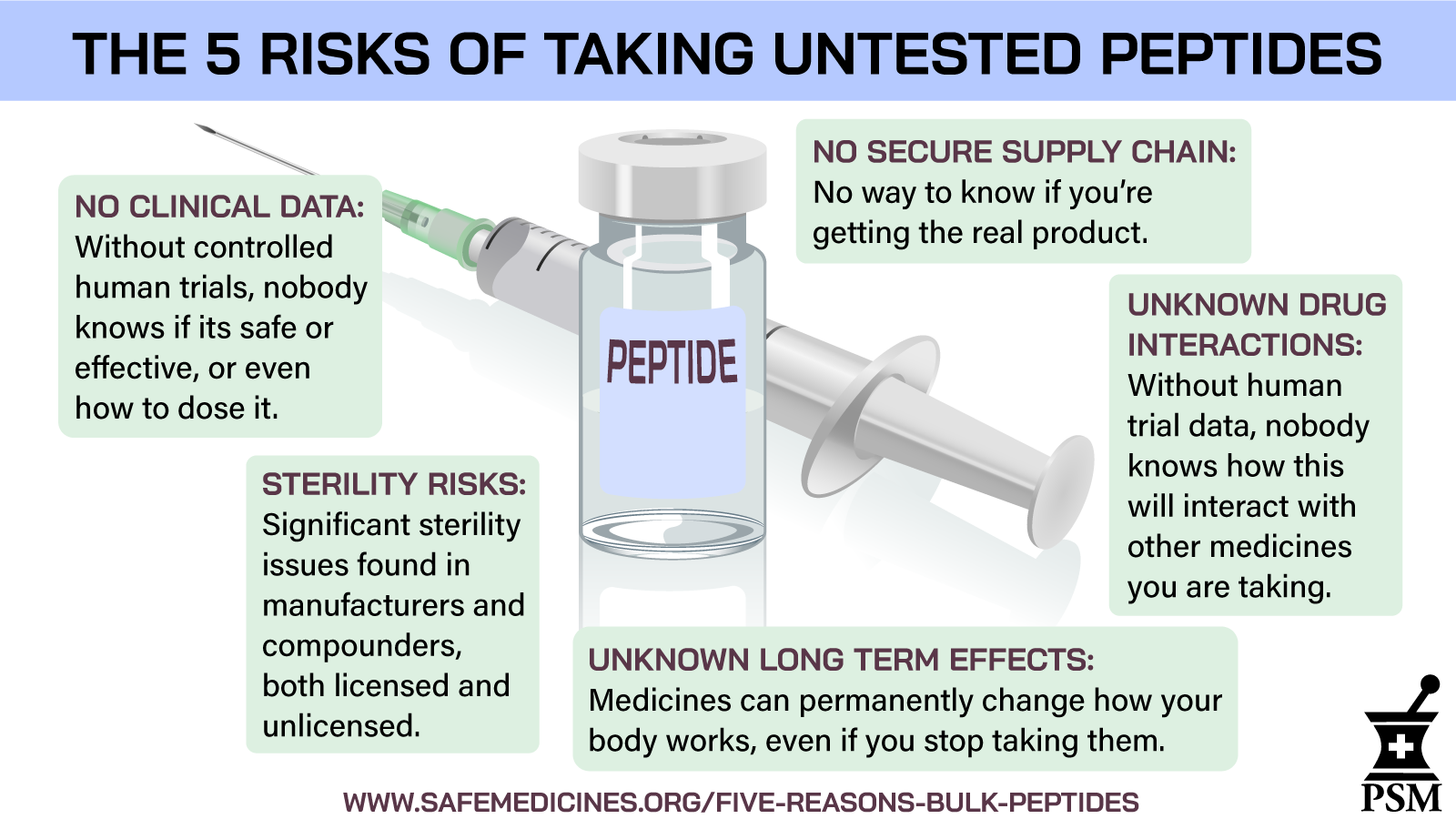
How can peptides be dangerous? Learn here.
Novo Nordisk and Eli Lilly announced efforts to combat counterfeit and unlicensed weight-loss drugs in the U.K., using court orders, social-media takedowns, and public awareness campaigns. Cosmopolitan published an article examining the growing culture around the unapproved weight-loss drug retatrutide, where users and influencers frame significant side effects, including loss of appetite, libido, and pleasure, as positive signs of weight loss and focus.
Eli Lilly Canada warned consumers about the growing black market for retatrutide. The company says it is also working with Canadian regulators and law enforcement while urging social media, e-commerce, payment, and shipping companies to help disrupt illegal sales.
Dutch health inspectors banned an online seller from marketing semaglutide, tirzepatide and experimental retatrutide without the required license, warning that the products’ quality, safety, and effectiveness could not be assured.
Lebanese authorities in Beirut seized large quantities of smuggled and counterfeit medical products, including Botox, dermal fillers, and various medicines. Authorities arrested those involved.
Indian authorities launched a statewide crackdown after suspected counterfeit high blood pressure tablets were found, seizing 1,250 tablets from medical stores and distributors. More than 30 businesses have been inspected, with officials tracing a suspected supply chain and testing seized medicines as the investigation continues.