
Posts Tagged ‘drug importation’
Senator McSally Meets with Experts on the Counterfeit Drug Trade

The Arizona Republic has reported that Executive Director Shabbir Safdar, along with Maricopa County Sheriff Paul Penzone, Pinal County Sheriff Mark Lamb, U.S. Drug Enforcement Administration special agent in charge Doug Coleman, and Phoenix-area pharmacist Randle House and met with U.S. Senator Martha McSally in Arizona on August 8th to seek her assistance and support for efforts to protect the U.S. prescription drug supply from counterfeit medication
[...]Canadian Physician Warns that American Drug Importation is Bad for Canada

This editorial by Dr. Charles S. Shaver was published in The Hamilton Spectator on August 11, 2019. Dr. Shaver i a practicing physician in Ottawa. He is a graduate of Princeton University and Johns Hopkins School of Medicine. Dr. Shaver is also past chair of the section on general internal medicine of the Ontario Medical Association.
[...]Canadians Concerned About US Prescription Drug Importation Proposals

John Adams of the Best Medicines Coalition, a Canadian group that represents 28 different patient organizations, has described the Trump administration’s plan to import medication from Canada as a “clear and present danger” to the Canadian prescription drug system, according to AP.
[...]Prime Minister Trudeau Promises to Protect the Canadian Drug Supply In The Face Of The U.S. Drug Importation Statement
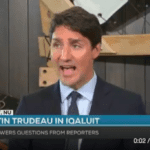
Canadian Prime Minister Justin Trudeau was interviewed today in Iqaluit, and according to CBC Canada, he reassured Canadians that Health Canada is already safeguarding the Canadian prescription drug supply regardless of international pressure.
[...]ASOP Canada and 14 Other Canadian Patient Organizations Raise Alarm with Canadian Minister of Health on U.S. Drug Importation Proposals

The Canadian branch of the Alliance for Safe Online Pharmacies (ASOP), along with fourteen other Canadian patient advocacy organizations have written a letter to Canadian Health Minister, the Honorable Ginette Petitpas Taylor imploring her to prevent the United States from wiping out the Canadian prescription medication supply with their misguided importation proposals.
[...]New Analysis by HDA Finds Importation Proposals Are Too Expensive and Pose Health Risks to Patients

A report just released the HDA Research Foundation demonstrates that federal importation proposals to allow drug importation are devoid of practical implementation guidance and funding, so will fail to guarantee federal safety and quality standards for prescription medication.
[...]Drug Distribution Experts Warn That State Plans To Import Foreign Drugs Will Undermine Safety
This editorial by Adam Fein and Dirk Rodgers was published in Stat News on July 11, 2019. In it, Fein and Rodgers warn that plans by states to create drug importation programs will open new pathways for counterfeit drugs to enter the U.S. drug supply chain…
[...]National Pharmacy Organizations Ask HHS Secretary Azar for Clarity on Drug Importation Proposals
On June 24, 2019, the National Alliance of State Pharmacy Associations (NASPA), along with the American Pharmacists Association (APhA), and the National Association of Chain Drug Stores (NACDS) wrote a joint letter to U.S. Health and Human Services (HSS) Secretary Alex Azar questioning the wisdom of poorly thought-out importation proposals.
[...]Canadian Policy Researcher Warns That Importation Plans By U.S. States Would Leave Canada Without Crucial Medicines

This editorial by Nigel Rawson was published in The Hills Times on June 9, 2019. Dr. Rawson, president of Eastlake Research Group, a senior fellow at the Fraser Institute, and an affiliated scholar with the Canadian Health Policy Institute, warns that Canada would run out of necessary medicine if U.S. states begin drug importation programs…
[...]Former State Pharmacy Board Presidents Warn That Drug Importation Won’t Keep Costs Down
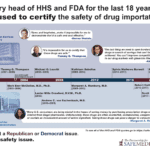
This editorial by Holly Strom and Kenneth Schell published in U.S. News and World Report on May 28, 2019 warns states considering drug importation that doing so will not keep costs down and also poses a safety risk to patients…
[...]